An Anthropic engineering lead on handing big tasks to AI: judge the result, don't control the process
TL;DR: Instead of watching every step yourself, hand Claude the whole big task and accept it on results: general models are already strong enough, and what is really missing is a clear definition of success plus an adversarial review in which other Claudes hunt for flaws and a judge confirms them.
Key ideas
- Treat Claude as a professional, not a chatbot: have it follow the workflow of a real professional and use professional tools such as Blender, instead of only summarizing or role-playing.
- Stop AI from being confidently wrong: run adversarial reviews with several Claudes hunting for flaws (you can take a step down in intelligence for this), have a separate judge verify each criticism, and pass only the valid feedback back to the original Claude. Do not trust a single session to grade itself.
- If you can say clearly what a good result looks like, judge the outcome the way you would with a contractor or a doctor; when the standard is unclear, spend more AI and tokens on checking. Only a few important projects need you to understand every step.
- A generalist model beats piles of agents and skills: give it tools, document your data clearly, and let the model decide. Put yourself in Claude's position and give it raw data and computer access, which is worth more than moving data by hand.
- The biggest limit is what people believe is possible: AI products are still in a "pre-iPhone era", and today's advice may need revising in about 10 weeks, so keep trying new things.
Section summaries
0:00Opening teaser and the host's team
The episode opens with Felix Rieseberg, who built Claude Cowork in about a week and a half and no longer writes code himself. Host Marina Mogilko introduces her 35-person team, who all work in Claude projects and use AI to run their newsletter and LinkedIn.
▶ Watch from here1:18The joy of building Claude: uses nobody predicted
Felix compares it with the Slack he worked on before: you roughly knew what that product was for, while users keep taking Claude to places he assumed were impossible. For someone building a product, that is the biggest joy.
▶ Watch from here2:08A bold use: finding a new planet in NASA data
Product manager Pavo had Claude analyze a large amount of NASA data and it found a new planet, which NASA has yet to confirm. Felix says applying everyday data analysis to all public space data is something most people never thought of.
▶ Watch from here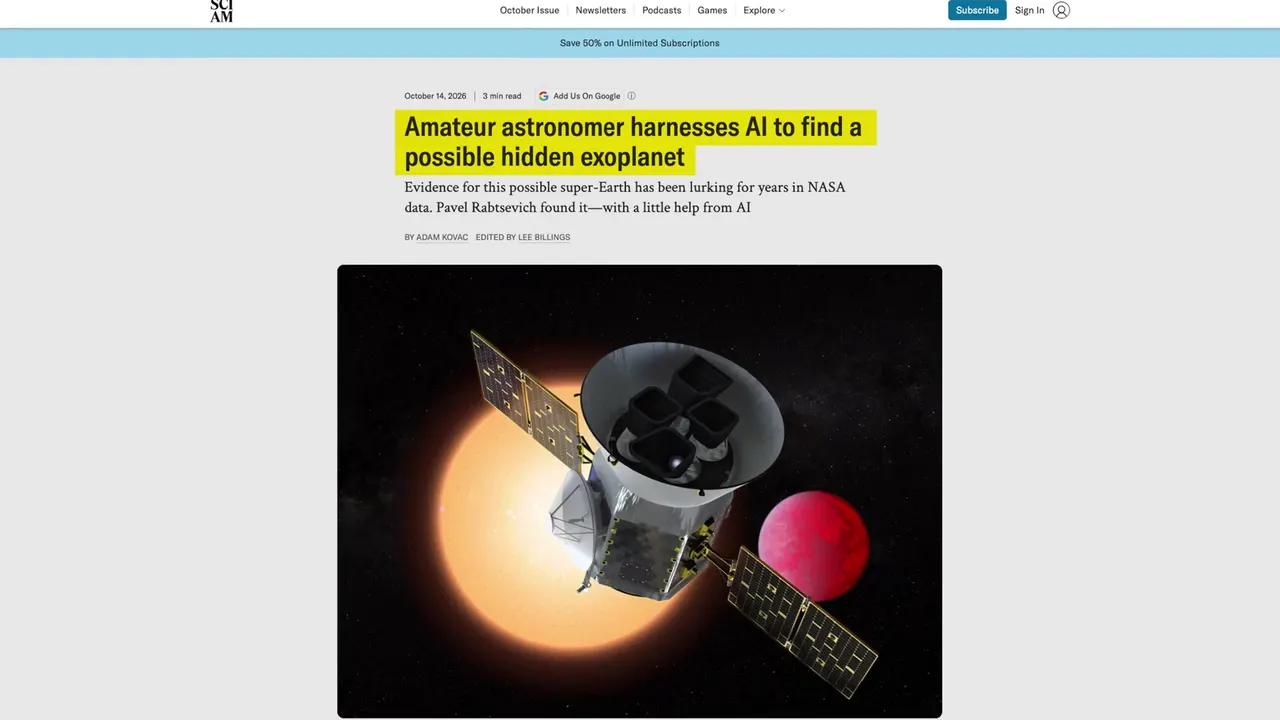
3:04A day without coding, and what makes a good product
Felix is now a PM, an engineering lead and a data scientist at once, and mostly builds prototypes. With AI, development cost is no longer the first concern. He thinks a good product has fewer buttons, is quick to pick up, and lets people do what they could not do before.
▶ Watch from here5:46Automation versus augmentation
Felix says automation currently creates the most economic value, but he cares more about AI augmenting people so they can do what they could not before. The key is to rethink the workflow and what "good" means. His example is the weather: a reliable process beats a lucky guess.
▶ Watch from here8:08Imitate professional workflows and use professional tools
Writer Adam Davidson uses Claude to sharpen his arguments and find the strongest counterarguments. Felix says the trick is to make Claude follow the workflow of a professional. The Opus 5.5 breakthrough in 3D also came down to letting it use professional tools such as Blender.
▶ Watch from here
12:23Adversarial review and judge verification
To stop AI from being confidently wrong, Felix suggests sending several Claudes just to find flaws, and a weaker model is fine for that. He describes reviewing his own blog post by firing off several threads, then sending a separate judge to verify the criticisms and returning the valid feedback to the original Claude.
▶ Watch from here16:07Judge the result, don't control the process
Felix has never used Blender, yet made 3D assets with AI. He says that if you are clear about what a good result is, you only look at the result, as you would with a contractor or a doctor; if it is unclear, put more AI and tokens into checking. Only a few important projects require understanding every step.
▶ Watch from here
16:58A generalist model beats multi-agent setups and skills
Felix uses a single conversation thread for fact-checking and thinks the industry is too keen on agents, because general models are already excellent generalists. He argues for giving the model tools and documenting the data clearly so it can decide what to call; skills have a short half-life, and removing one sometimes works better.
▶ Watch from here22:10Use model experience instead of user experience
Felix suggests imagining you are Claude and thinking about what it would want: raw data and computer access. In a crash-fixing example, he went from moving data by hand to letting Claude fetch it itself, which costs more up front but is worth it.
▶ Watch from here23:39Getting started: begin with the Claude desktop app
Felix tells beginners to download the Claude desktop app, let Claude operate the computer through the built-in browser, and consider connectors only after the workflow proves itself. He separates work only by project, not by role, and asks Claude to use the tools of top professionals rather than role-play.
▶ Watch from here26:12Building feedback loops and trust in AI
Felix does not trust a single session to judge itself and prefers external evidence or another Claude to verify. He suggests collecting all the feedback first, then boiling it down into principles, which surfaces the principles you hold without realizing it; you can also compare your own feedback with Claude's side by side to build trust step by step.
▶ Watch from here
31:32Startup costs and product empathy in the AI era
Marina recalls how much it took to start a company in 2015. Felix says upfront capital has fallen sharply, so one or two people can build a billion-dollar company, but the core of a good product is still empathy for the user; vibe coding will weed out bad software nobody wants to use.
▶ Watch from here34:59Startup opportunities in old software
Felix points out that airport and hotel desks still run clunky old software, which is an untapped opportunity. The cost of execution is already very low, so understanding the industry's needs and having empathy is the key, and MBAs may even stage a comeback.
▶ Watch from here37:36Capability overhang and the missing application layer
Responding to a Nobel economics laureate's view that the application layer is missing, Felix agrees there is a capability overhang between what the models can do and how people normally use them. He suggests dropping existing constraints and handing Claude the outcome you want directly; hitting a ceiling means you are standing at the frontier.
▶ Watch from here39:44Engineers' identity crisis and hiring standards
Felix thinks the value of memorizing APIs is falling; engineers should be measured by their impact on users, and cleverly integrating the capabilities of different systems is worth more. When hiring, he looks at real work rather than degrees, while Marina values connections and video view counts.
▶ Watch from here43:50How the University of Waterloo develops talent
Felix admires how the University of Waterloo lets students intern at several companies such as Tesla, Google and Apple, learning how companies work, how to win resources for an idea and how to persuade legal, so these engineers can contribute almost as soon as they arrive, faster than pure CS PhDs who have never worked at a company. He says that if his daughter wants to learn to code, he would advise her to understand early how companies work, how people collaborate and how to find value.
▶ Watch from here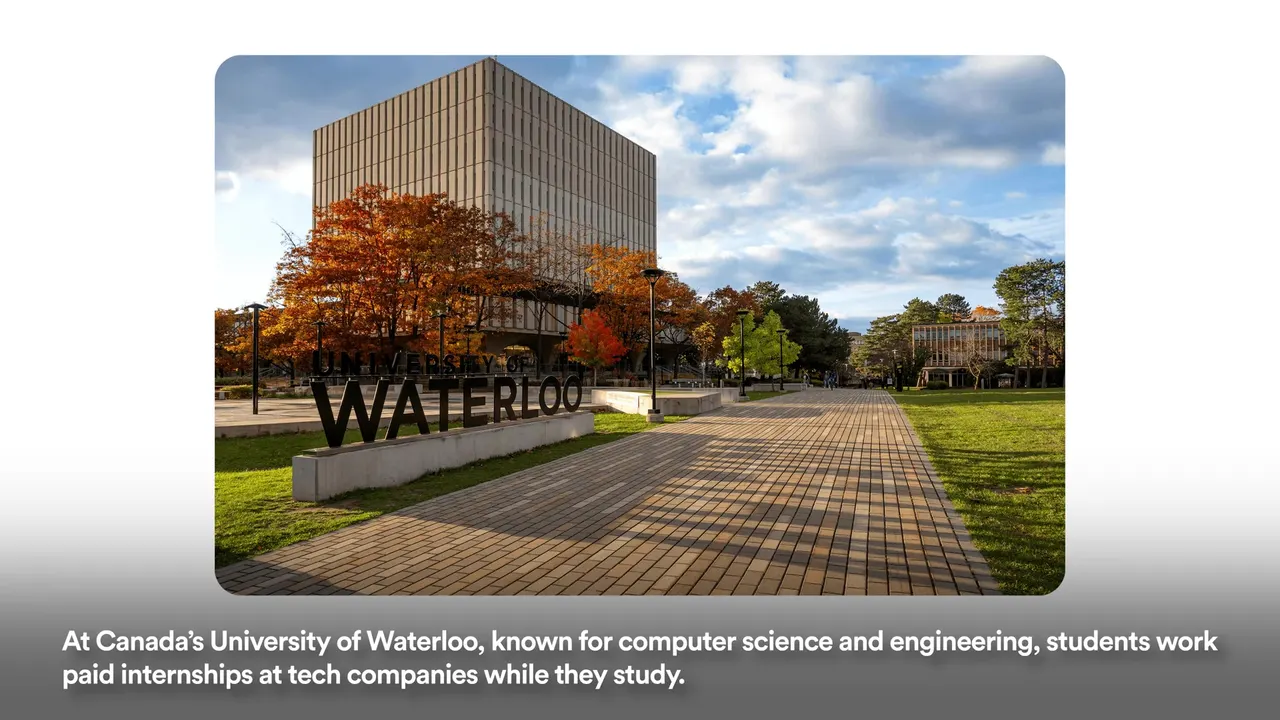
46:23Exponential growth and the "pre-iPhone era"
Felix thinks the biggest limit is what people believe is possible. The industry underestimates AI's exponential growth, and today's AI products are still in a pre-iPhone era; advice given today may need revising in about 10 weeks, so keep trying new things.
▶ Watch from here