Convertible Bond Breakout Stocks: The 5-Step Formula of Pull, Pump, Hype, Burst, Convert
TL;DR: Companies that issue convertible bonds mostly don't want to repay them and would rather lift the share price so bondholders convert into stock, so the 5 steps of pull, pump, hype, burst and convert can help judge when a stock will take off after issuance, with entry prepared at the first limit-up that signals intent.
Key ideas
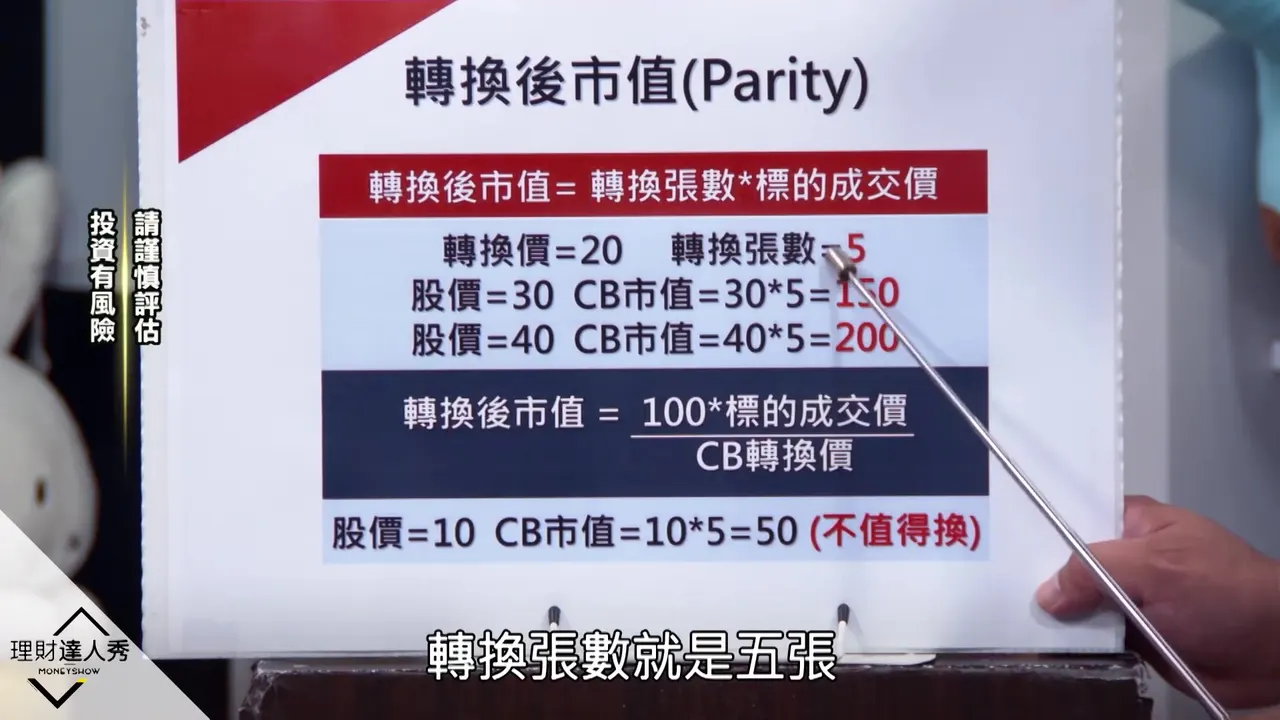
- A convertible bond has a fixed face value of 100; the lower the conversion price, the more shares it converts into. After conversion, the value is proportional to the stock's market price (with a conversion price of 20 and a stock price of 30, it is worth 150), so insiders have a motive to push the price up so bondholders are willing to convert.
- The 5-step formula runs in order: pull (announce before the move that the price will be lifted), pump (shift invoice timing to create revenue growth), hype (media and commentators tout the stock), burst (a burst of heavy volume), and convert (turn bonds into shares and sell). The hype usually comes before the volume burst.
- When the share price is too far from the conversion price (for example, it would need to rise to 3 times), the company simply repays the money; when it is close, spending a little to lift the price and get a lot back is worthwhile, so most companies still like to pull. But some companies grow naturally from their core business, and the speaker presumes innocence.
- The first limit-up of a stock with convertible bonds is usually a declaration by the major players. Even if the chip positions at the low look unattractive, don't rashly short, because it may be the start of a big wave. In the cases shown in the program, the first limit-up appeared around the bond issuance, and some of them went on to big waves.
- When bullish news appears in dense clusters and the convertible bonds are being heavily converted, it is often already the top of a big wave, so consider selling the stock. Net selling by the major players is the time to get off, but don't short companies with stable profits and revenue carelessly.
Section summaries
2:53Convertible Bond Conversion Price and Market Value
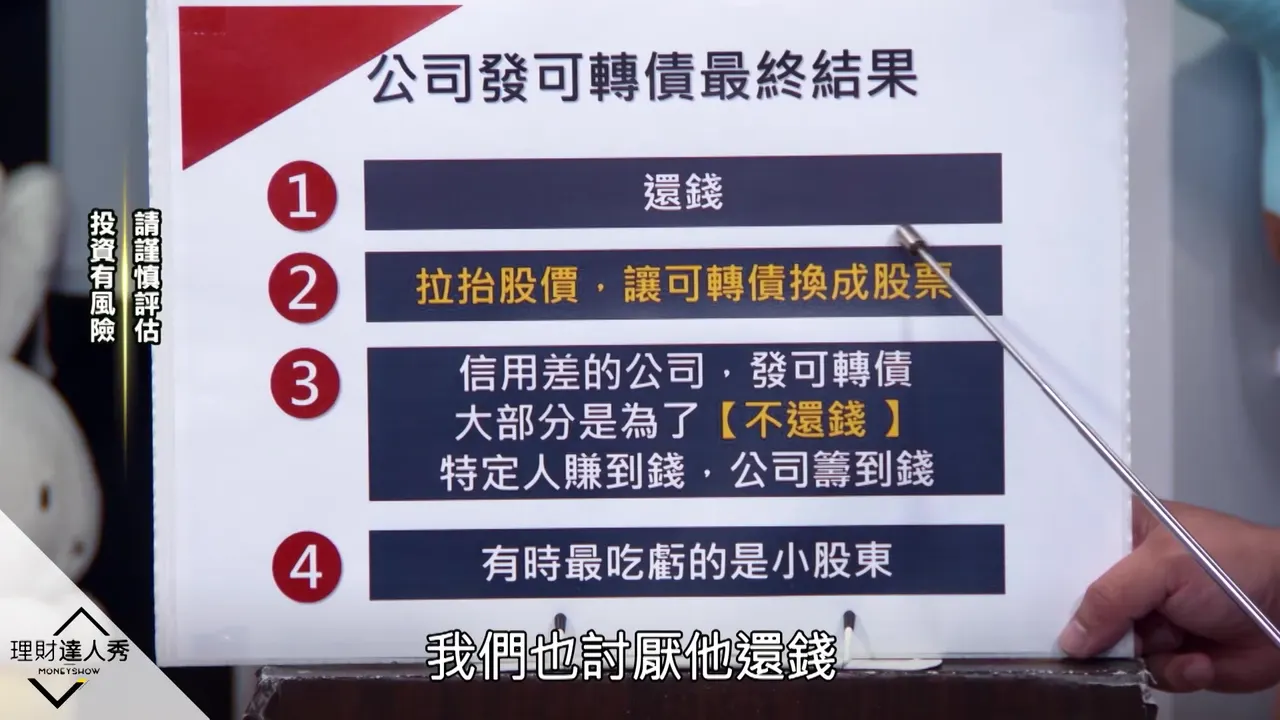
Explains that a convertible bond has a fixed face value of 100, and the lower the conversion price, the more shares it converts into. It uses a conversion price of 20 and a stock price rising to 30 to calculate the value and profit after conversion. Companies that issue bonds mostly don't want to repay them and would rather lift the share price so the bonds convert into stock, and this is even more common among obscure companies with poor credit that struggle to raise funds; small shareholders lose out, but can also profit by following along.
▶ Watch from here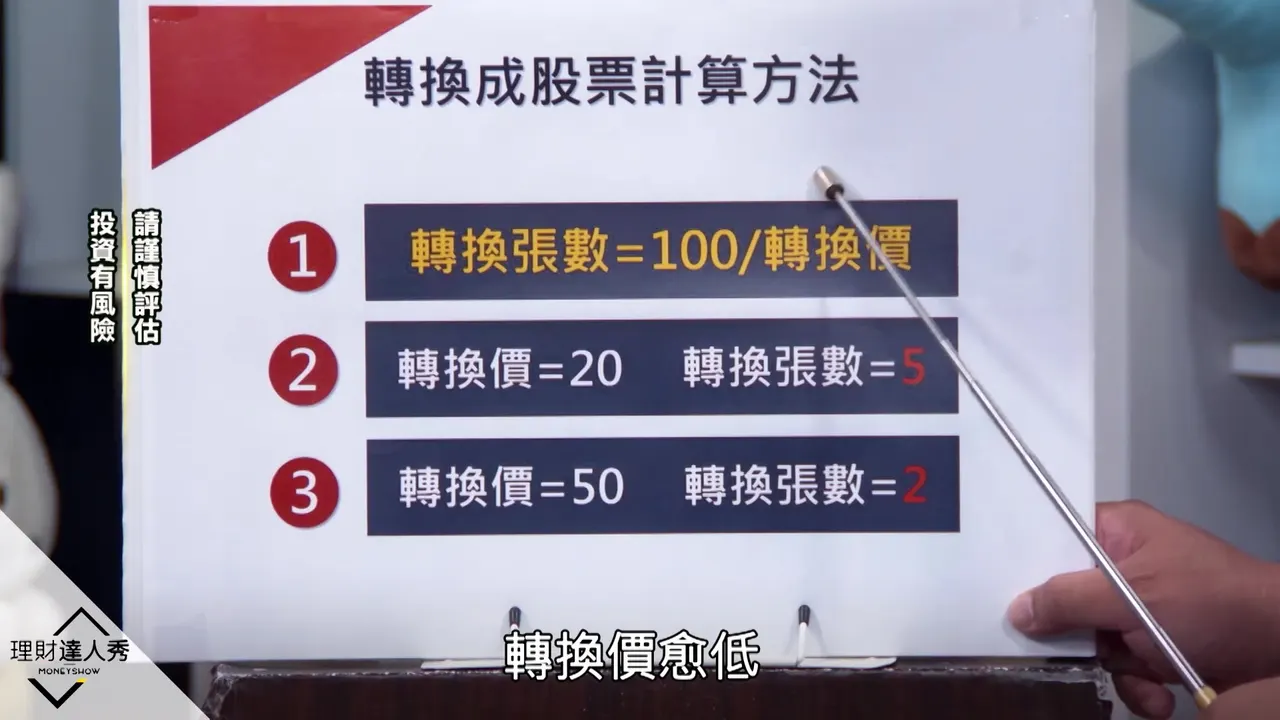
7:20The 5-Step Formula for Lifting Convertible Bonds: Pull, Pump, Hype, Burst
Introduces the first four of the 5-character formula for lifting a convertible bond stock, "pull, pump, hype, burst, convert." Pull means announcing to the world before the move that the share price will be lifted, so bondholders know they won't have to be repaid. Pump means adjusting when invoices are issued to create revenue growth. Hype means using media reports and commentators' calls to tout the stock as a rocketing stock. Burst means a burst of heavy volume. The speaker also uses a joke about a grandpa's shop as a memory aid.
▶ Watch from here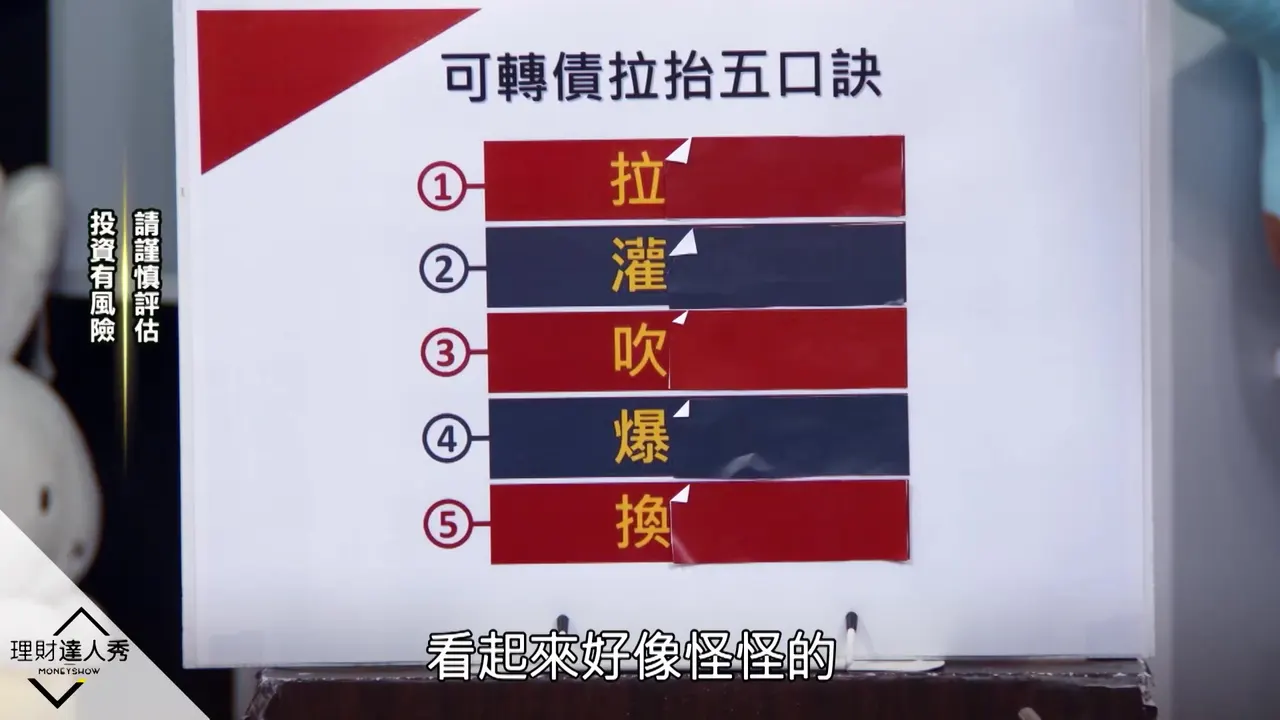
10:56Step 5, "Convert," and the Presumption of Innocence
Step 5, "convert," means converting the convertible bonds into stock and selling it. If the share price is too far from the conversion price (for example, it would need to rise to 3 times), the company simply repays the money; if the price is close to the conversion price, spending a little to lift the price and get a lot back is worthwhile. But it can't be ruled out that a company is growing naturally from its core business, and the speaker presumes innocence, then goes on to introduce 8097.
▶ Watch from here13:20The 8097 Case and Short-Selling Stock Operations
Taking 8097, the most expensive convertible bond, as an example: the bond was issued on June 21, 2021 and could not be converted for 3 months; the first limit-up appeared on November 4. The first limit-up of a stock with convertible bonds is usually a declaration by the major players, and even if the chip positions at the low look unattractive, don't rashly short, since it may become a big wave. After that, revenue climbed, and you can tell someone was converting from the pattern of shorting the stock and then converting the bonds into shares to cover. If the convertible bond has no margin or short availability and covering comes along, you can sell the stock first, buy the cheaper convertible bond, and then convert for an arbitrage profit.
▶ Watch from here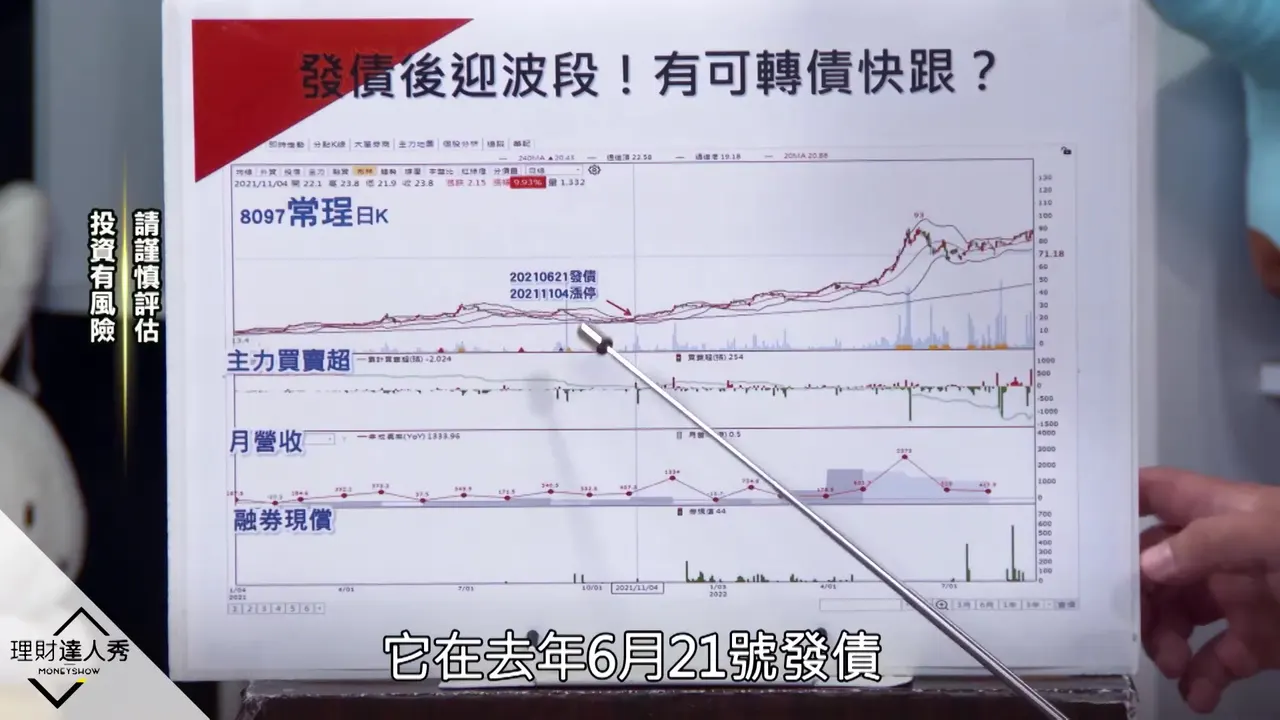
15:25Volume Burst and Verifying the Hype Signals
Enters the volume-burst stage: the stock turns from a low level to heavy volume, but before the burst there should first be hyped bullish news. The hype dates often fall before the volume burst, with varying lengths of time, and volume only appears after the hyping is done. Examples include long-term orders visible through next year's Q1, and a big order from a Mexican telecom operator that made revenue jump 25 times in May; after the bullish news was exhausted, the stock price shot up.
▶ Watch from here16:51The 3701 Case and the Limit-Up Before Bond Issuance
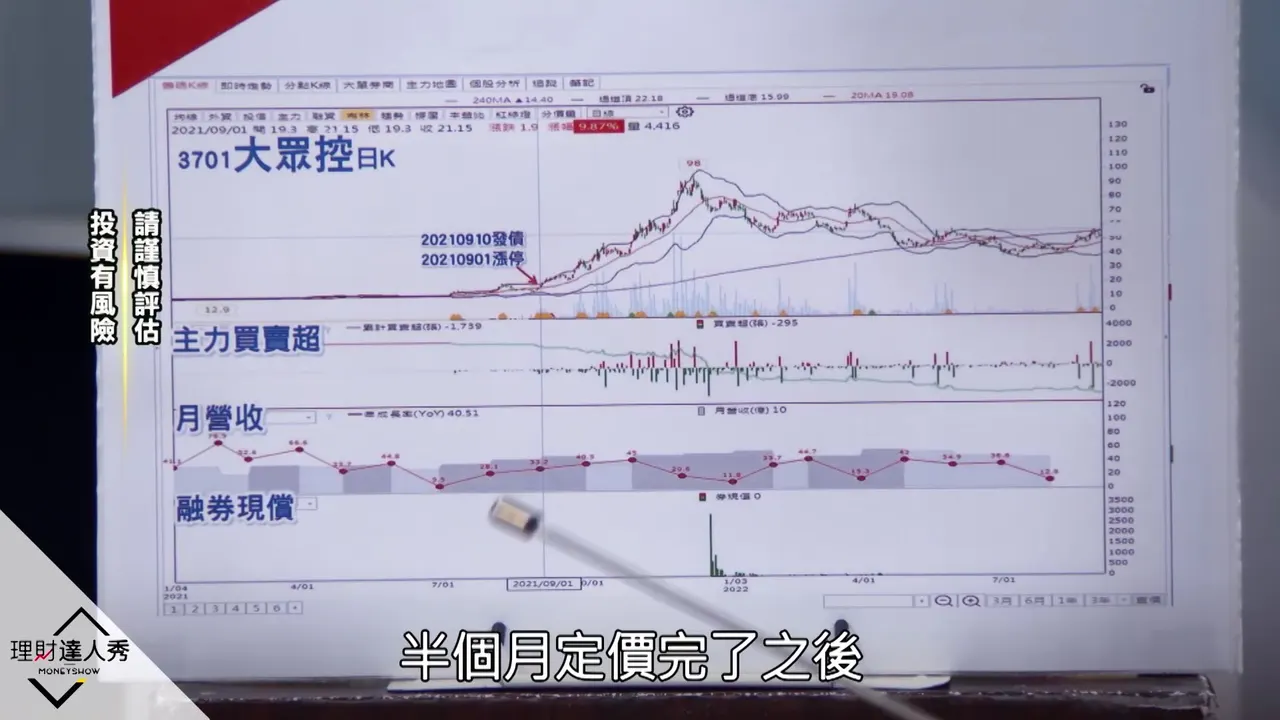
Taking 3701 as an example: the bonds were issued on September 10, 2021, and priced about half a month before issuance; the stock hit limit-up first on September 1 and went on to a big wave, so "issuing bonds plus a limit-up" is quite likely the start of a big wave. Afterwards the share price and revenue rose together, and the media kept hyping the metaverse and automotive metaverse themes, though the speaker questions their substance; there was a pile of bullish news and the stock hit limit-up for 2 days in a row, but after the hype the price still fell.
▶ Watch from here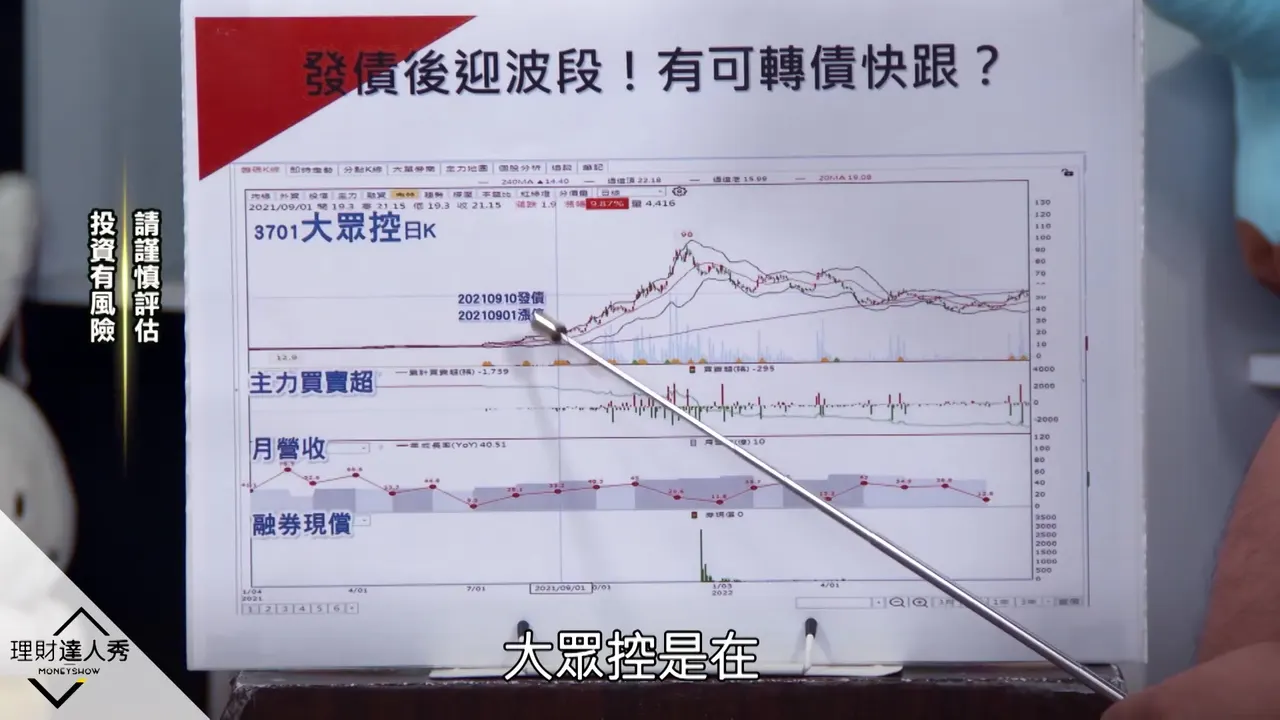
18:56Conversion Risk in Stocks With Solid Fundamentals
This company, Cyntec-like in profile, does have fundamentals: some revenue was artificially pumped and some grew naturally, and it likewise issued bonds in April–May. After it was pulled to limit-up on October 21, revenue followed, and recently volume has appeared at the high with heavy conversion of the convertible bonds. Heavy conversion doesn't mean you should short; net selling by the major players is the time to get off. Whether to short depends on fundamentals, and you shouldn't short companies with stable profits and revenue carelessly.
▶ Watch from here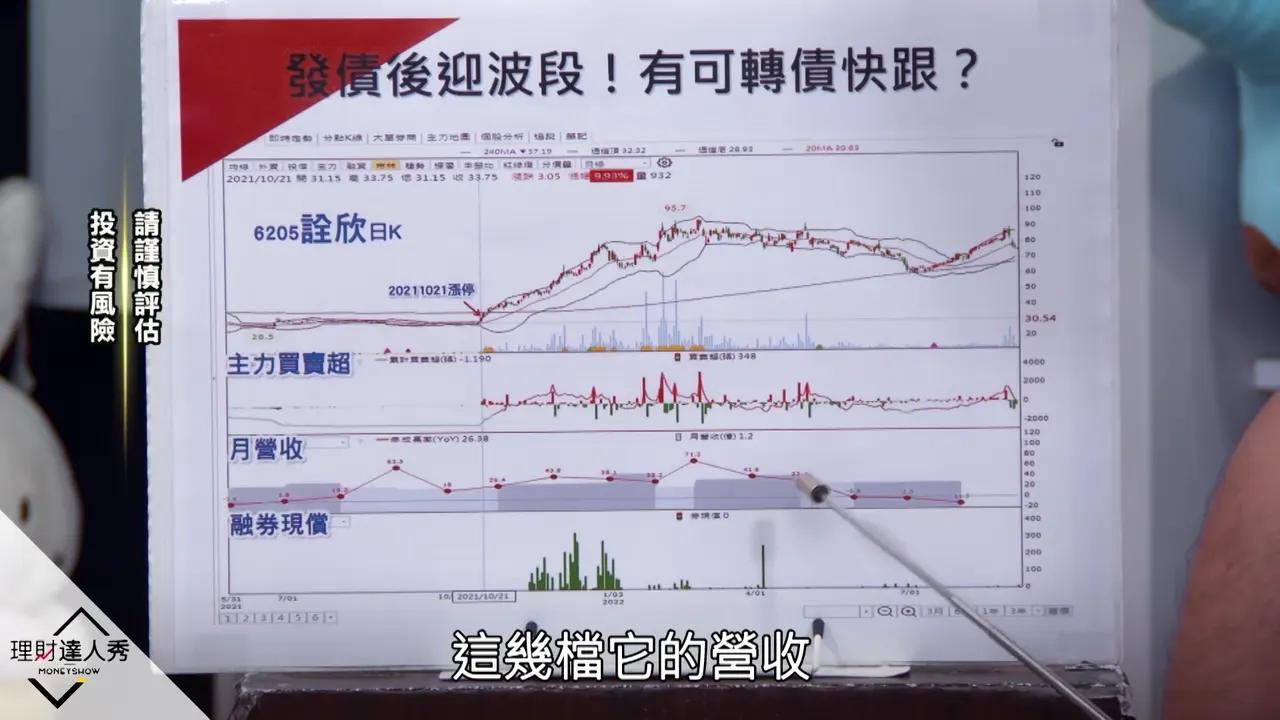
20:16Entry Timing at the First Limit-Up After Issuance
Following on from the previous stock, the speaker stresses that the first limit-up after a company issues convertible bonds is often a declaration by the major players, and you should prepare to enter at the limit-up. The company issued bonds on August 27, 2021 and hit limit-up on September 3; its revenue and profit are solid, revenue growth once reached 63%, and there was heavy conversion at the high, but chip positions have recently weakened. When bullish news keeps appearing, consider whether to sell the stock, because it often comes after a big wave up.
▶ Watch from here21:36Summary of the 5-Character Method and Warnings
Sums up the 5-character method "pull, pump, hype, burst, convert": first pull, then pump, then hype, then burst, and finally switch to the next stock, while the examples shown have all nearly reached the end of the process. A company issues bonds because it is short of cash, and afterward often relies on lifting the share price so bondholders convert into stock in place of repaying; bondholders and the company are both happy, and only the original small shareholders may be unhappy. By understanding the company's thinking and these 5 steps, you have a chance to profit from the price spread.
▶ Watch from here