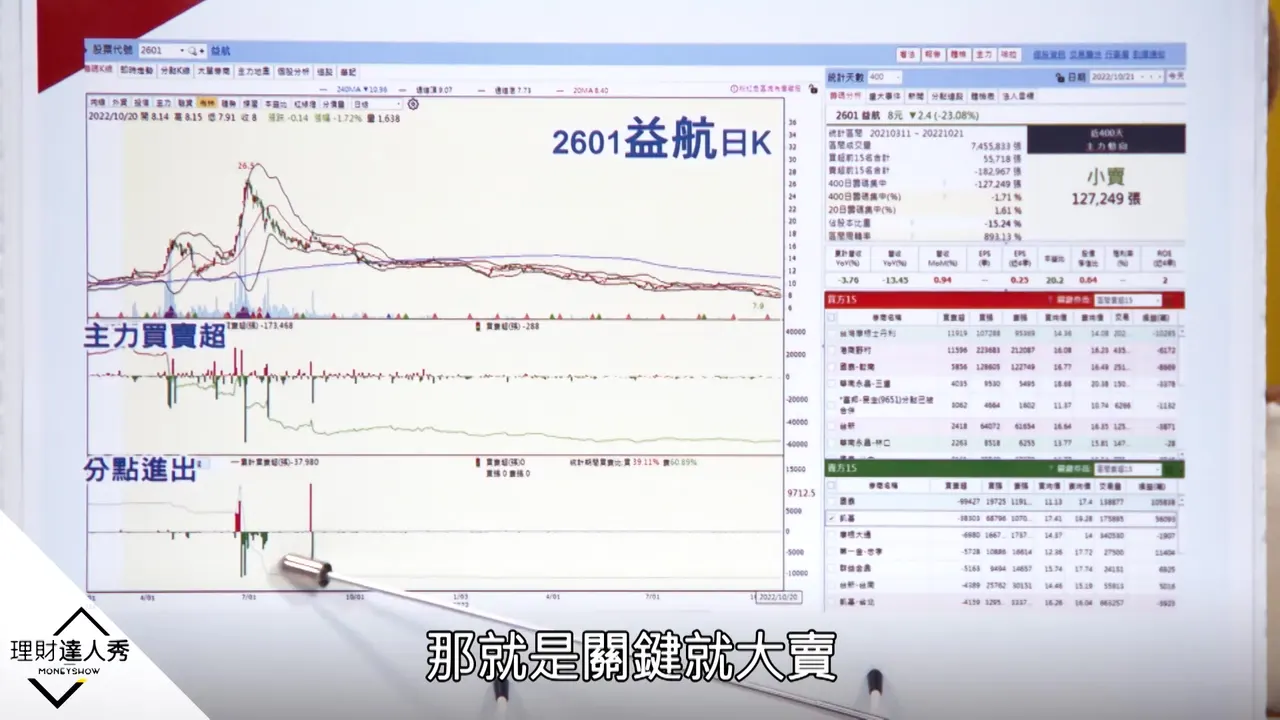
Following the Big Players with Key Broker Branches: 3 Criteria of Big Buying at Lows, Fat Profits, and Heavy Selling at Highs
TL;DR: To find a key broker branch, look for 3 criteria: it buys big at lows, its average buy and sell prices differ by at least 20%, and it sells heavily at highs; pair low-level entries with high dividend yields, because a price where a branch buys big is usually not far from the bottom, and a high yield helps you hold through declines.
Key ideas
- Taiwan Stock Exchange flow data is public and transparent, so broker-branch activity is easier to track than in US stocks; key branches suit office workers doing swing trades, since you can buy and wait, add on dips, and verify a branch's skill through daily trading notes.
- Key branches have 3 criteria: they dared to buy big at the pandemic low, their average buy and sell prices differ by at least 20% (the amount must be large enough to be meaningful), and heavy selling at highs implies insider knowledge; follow those that bought at lows, and look to short those that sell at highs, and using both long and short feels safer in this volatile year.
- The examples share a common trait: adding during crashes and concentrating on specific stocks; one branch in Jingyuan (2387) saw the stock rise 4 times in under 1 year, and another branch bought at 7 and sold out at 41, nearly 6 times; but Kang Yong-ge's exit points are often unattractive, so you needn't squeeze out every gain, and making 60% or a 1x gain is already great.
- Warning signs at highs include old shares coming out and owners filing share transfers: when major shareholders sell old shares held for many years just as the price surges, or file transfers or sell heavily at highs, the price tends to fall.
- A high dividend yield decides whether you can hold on: a low-level big buy combined with a high yield and a share buyback is a position that can attack or defend.
Section summaries
4:20The Advantage of Taiwan Chip Data
Explains that the Taiwan Stock Exchange's flow data is more transparent than in US stocks, making Taiwan stocks safer to trade. If you track broker-branch activity and find stocks where a key insider-linked branch is buying heavily, the low is usually not far away; this is the core idea of the course.
▶ Watch from here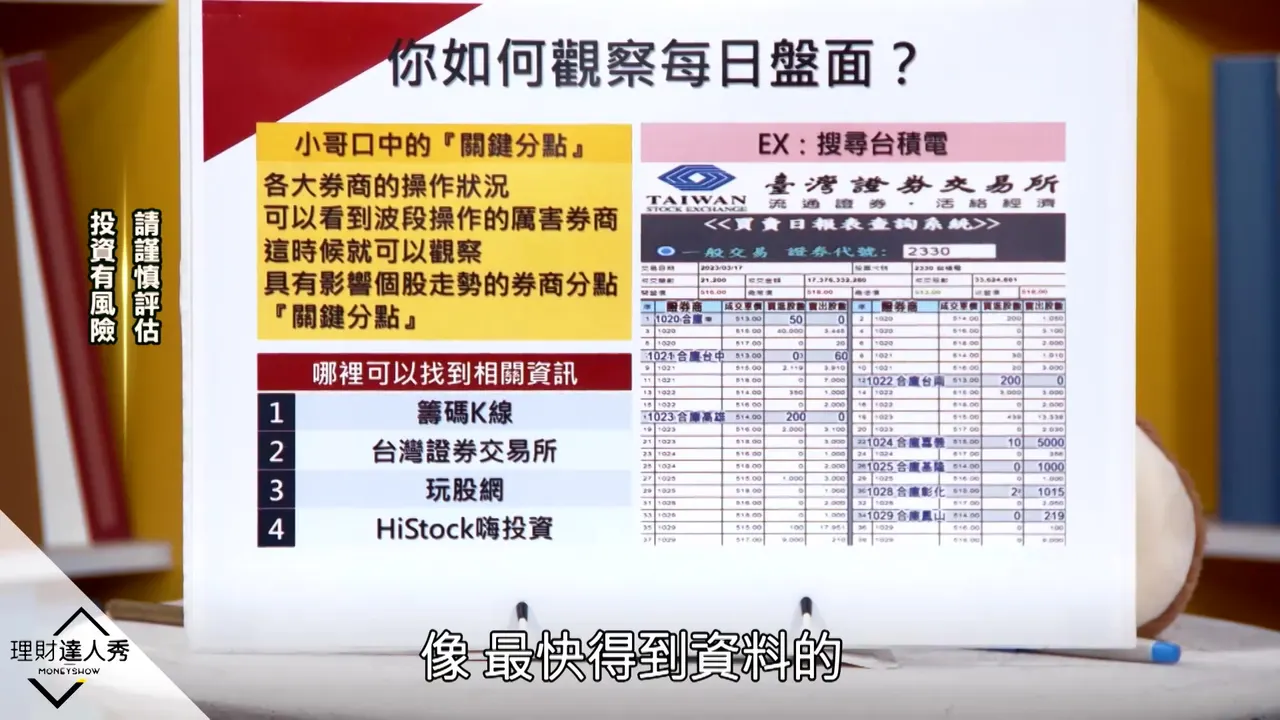
5:10How to Find Key Branches
Key branches suit office workers doing swing trades: you can buy and wait, and if the price falls you can look for chances to add. The speaker does homework daily and keeps trading notes recording the key branches' buying and selling that day, such as the branch Ju Yang Da Zhang buying on March 15 and Edison (nicknamed Kang Yong-ge) buying on March 8. Some branches look like insiders, trading near the company; others buy many stocks and catch swings, with deep pockets and long holding periods. Kang Yong-ge has a fairly high win rate: if it is at a low, following its buys mostly pays off; skip its buys at highs. The example of Edison buying Tailong on March 6 and hitting limit-up shows the value of keeping daily trading notes.
▶ Watch from here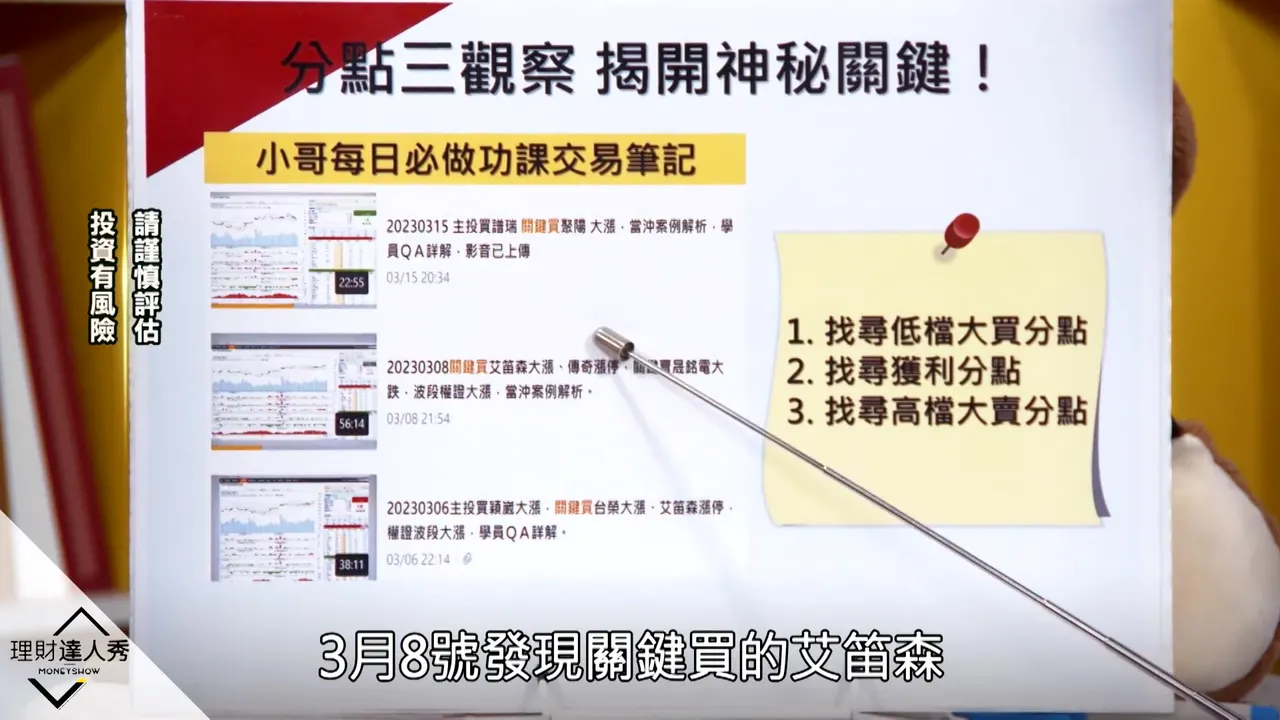
8:10The 3 Criteria of a Key Branch
Key branches meet 3 criteria. First, they dared to buy big at the pandemic low (around March 19, 2020). Second, the average buy and sell prices differ by at least 20%, and the amount must be large to be meaningful; Catcher Technology, for example, reached 30%. Third, heavy selling at highs implies insider knowledge, and the stock often starts falling after the selling. The approach is to follow those that bought at lows and look for chances to short those that sell at highs; in this volatile year, using both long and short feels safer, and if you trade only one direction, pick stocks where a key branch bought at lows and the dividend yield is high.
▶ Watch from here11:26Case Check: Branch That Bought Big at the Pandemic Low
Take Jingyuan (2387) as an example: the branch sits next to the company, north of Taichung near Fengyuan, and the speaker deliberately withholds its name for fear the branch would disappear after seeing the show. In the March and April 2020 pandemic crash, it bought as the price fell, and added during the crash instead of panic selling like retail investors; afterwards the stock rose 4 times and it began selling heavily, all in under 1 year. Huge volume at a low often means someone wants to acquire a large stake, usually professional buyers, so a strong branch next to the company that buys big at lows is worth following.
▶ Watch from here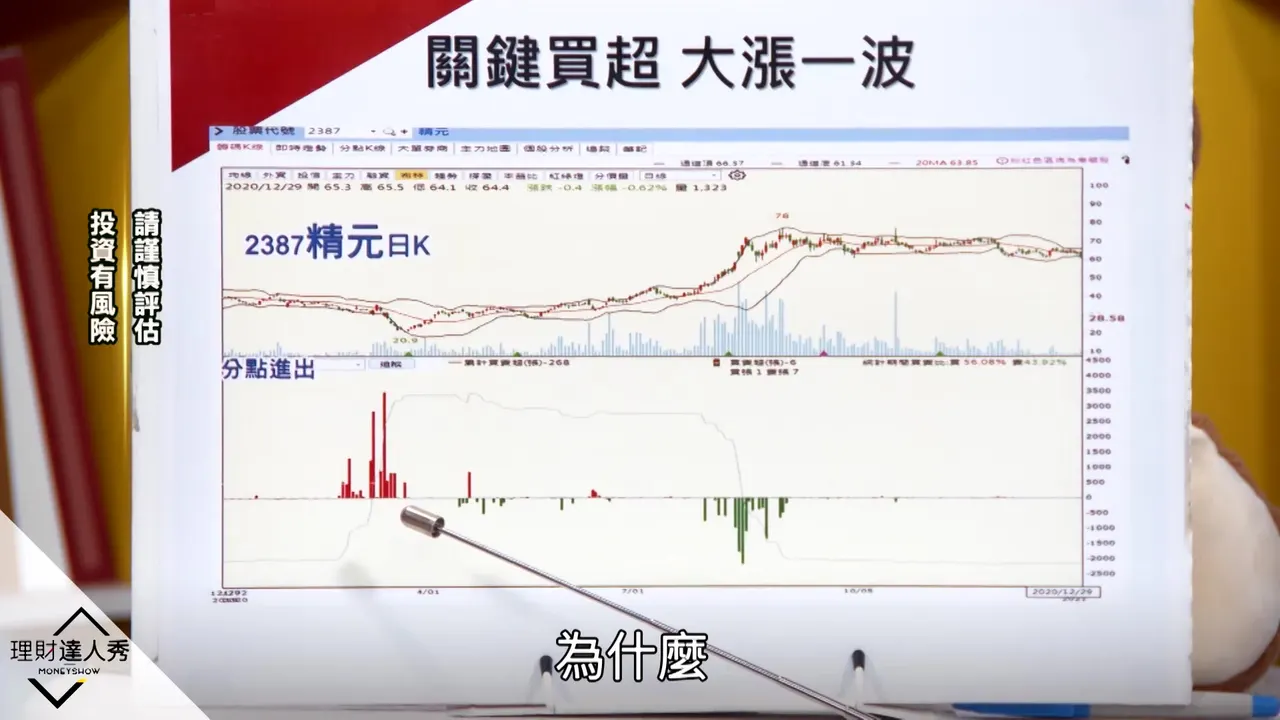
13:16A Case of Concentrated Trading
This branch made 4 times its money in under 1 year; what makes it impressive is that it concentrates on specific stocks rather than buying everywhere. Once you lock onto this stock, open the exchange data every day to track the branch, and follow whenever it buys. The second example is Wei Sheng: in July 2022 a branch in Changhua entered at around 120 and sold after a 450% gain. Such branches are close to the insiders and know the company's operations better, so keep watching the branch near Changhua.
▶ Watch from here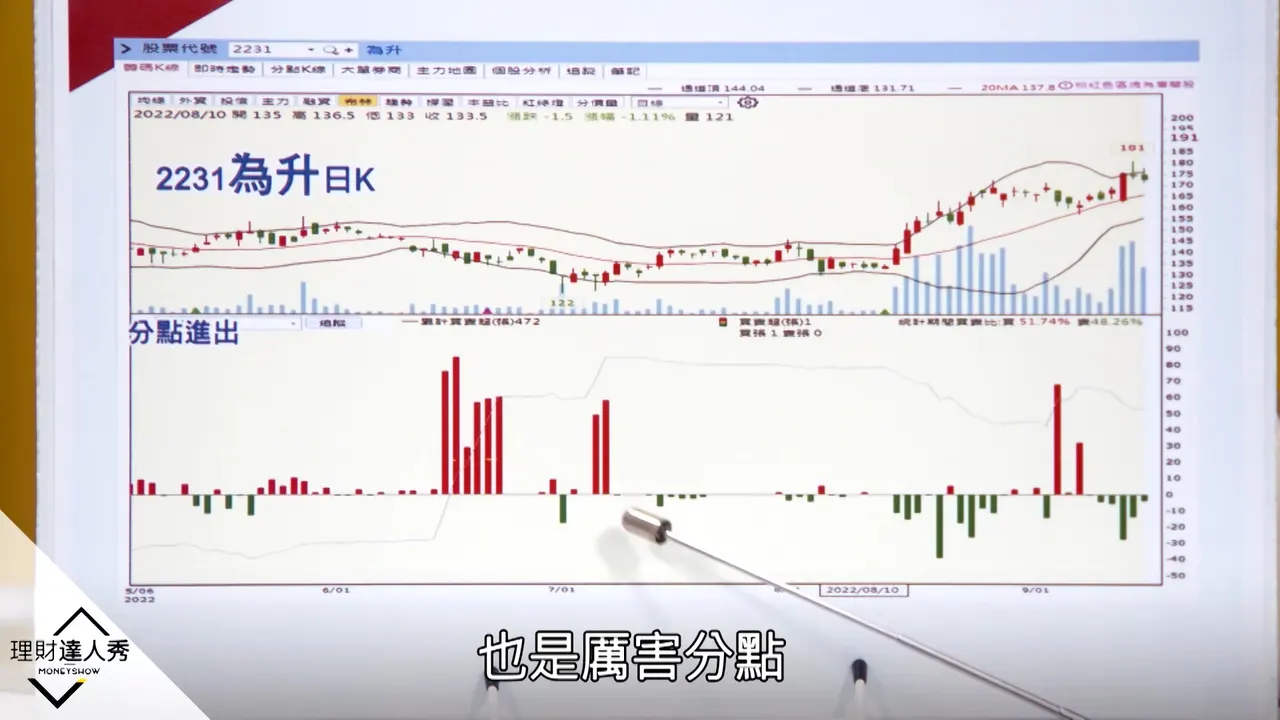
15:05Follow-the-Branch Strategy and Failed Cases
Kang Yong-ge also has failures: its exit points are often unattractive and not every pick is a winner, but following its big buys at lows can still be profitable. Take Tongzhen: when it began buying big, it bought 400–500 lots a day while the stock was only in the 10-something range, and anyone who followed at the low still made 3–4 times. Key branches of ITEQ sold heavily at highs, then bought big when the price returned to 50-something, just as a share buyback was underway and the yield was near 10%, a position that can attack or defend.
▶ Watch from here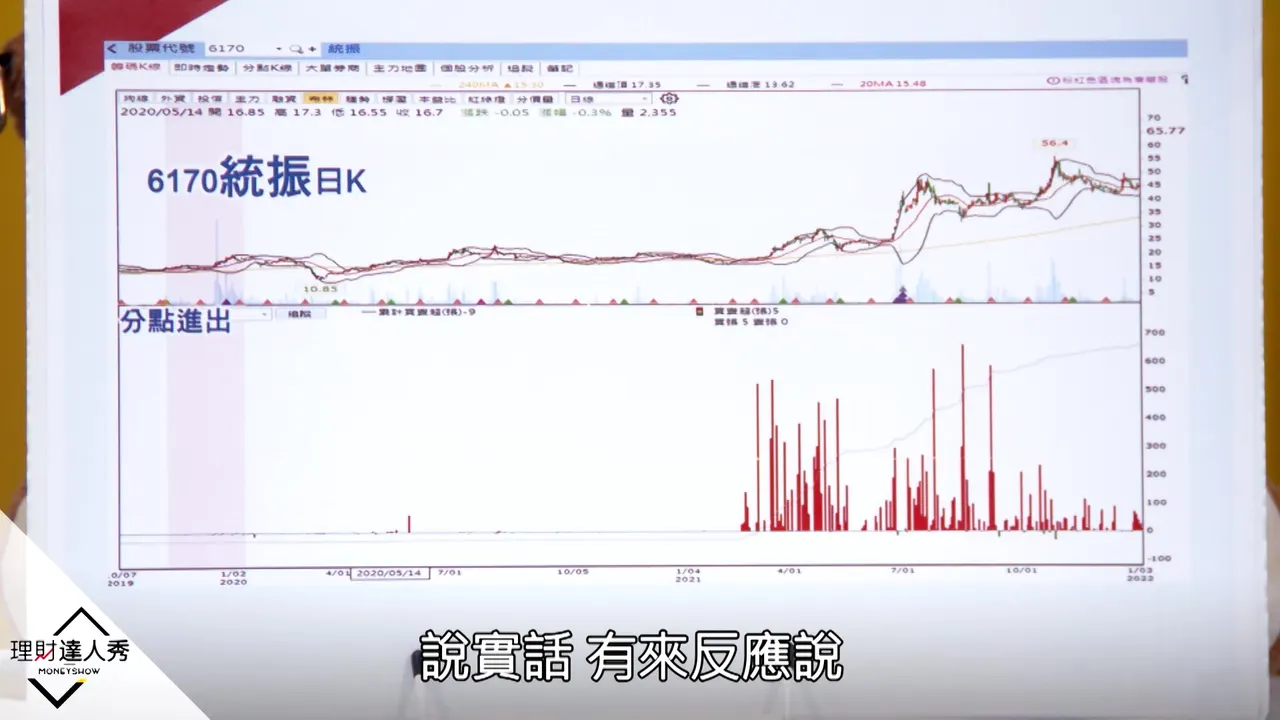
17:25Long-Term Buyers with Stable Holdings
Yieh Phui: a Kaohsiung player bought big at 7-something and then didn't move, meaning the holdings are very stable. Retail investors often sell as soon as the price rises, perhaps dumping everything on the limit-up day; but this key branch began selling in batches only at 20–30 and sold out at 41, nearly 6 times from 7 to 41. You don't need to squeeze out every gain: making 60% is very pleasing, and making a 1x gain is a windfall; for steel stocks, watching the Kaohsiung player has been very accurate.
▶ Watch from here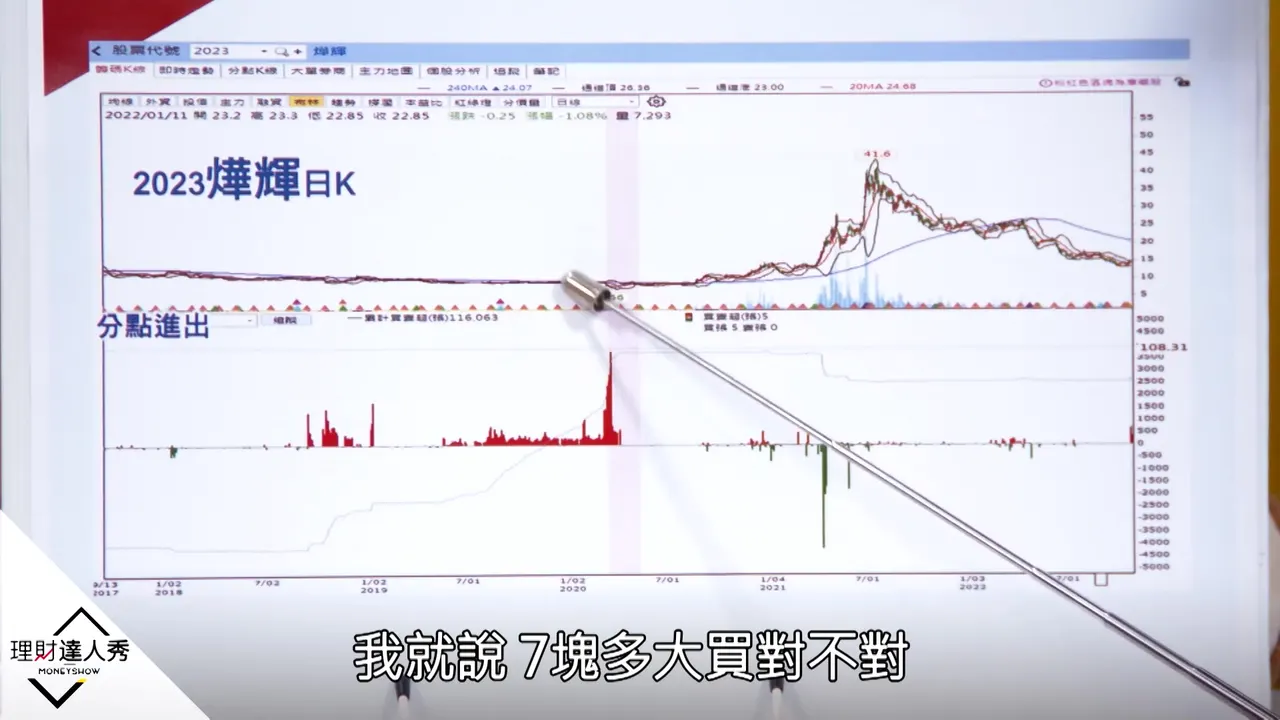
18:31Warning Sign: Old Shares Coming Out
Some stocks show no big buying at lows because broker-branch data only starts in 2011, while major shareholders held their shares well before 2011. Take Yahang (2630): when the aircraft-repair concept stock surged, the key branch sold wildly at highs and the price then fell back; the company itself is not an aircraft-repair company. When owners have never seen the price this high and earnings can't keep up, they may sell old shares, which is a warning sign.
▶ Watch from here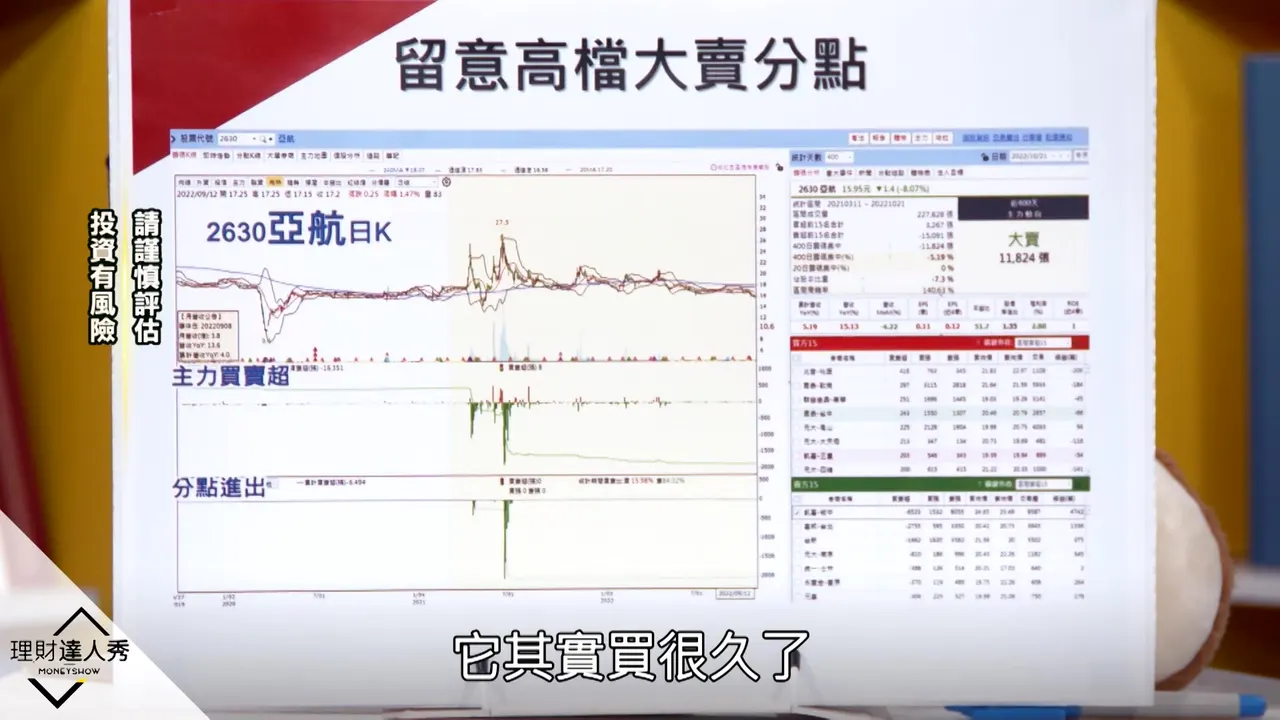
20:06What Share-Transfer Filings Signal
An owner's share-transfer filing is also an important indicator: after a filing at a high or heavy selling by a key branch, the price tends to fall. The speaker mentions a company chairman whose holdings were sold down to just 78 lots; all this information is publicly disclosed and can be looked up.
▶ Watch from here