Beaten-Down Stocks: Rebound Trading on Heavy Volume at the Lows, Extreme Negative Deviation and a Staged SOP
TL;DR: A beaten-down stock does not automatically rebound; it is only worth a rebound trade once it shows heavy volume at the lows (volume at least 2 times its 20-day average), because that means selling pressure is exhausted and someone is absorbing shares, but the rebound usually lasts only 2 days, so take it and get out.
Key ideas
- Three myths debunked: there is no standard for how far a fall is enough, limit-down with no volume is actually scarier, and a heavy-volume decline is only a reason to flee at high levels; a heavy-volume decline at the lows often signals an imminent rebound, so the key is whether volume appears.
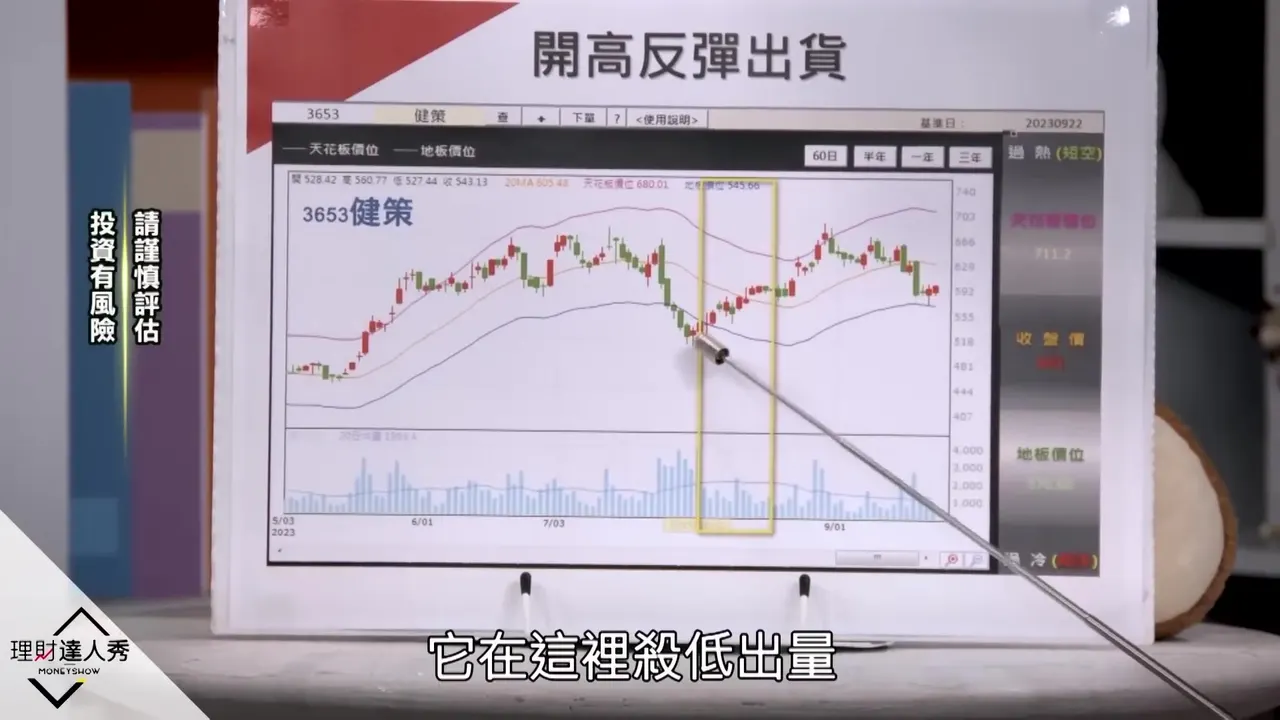
- The logic of heavy volume at the lows is that everyone who wanted to sell has sold and selling pressure is gone, while buyers entering at the lows have low cost and stronger conviction, so a rebound comes easily; but it usually lasts only 2 days, so exit after catching 2 big red candlesticks or a bounce to the monthly moving average.
- There are 3 screening conditions: stocks that appear at the floor, volume at 2 times the average when breaking the floor (the bigger the volume, the more accurate), and avoiding small caps; extreme negative deviation can also be combined to catch turning points during panic events, but volume is still required.
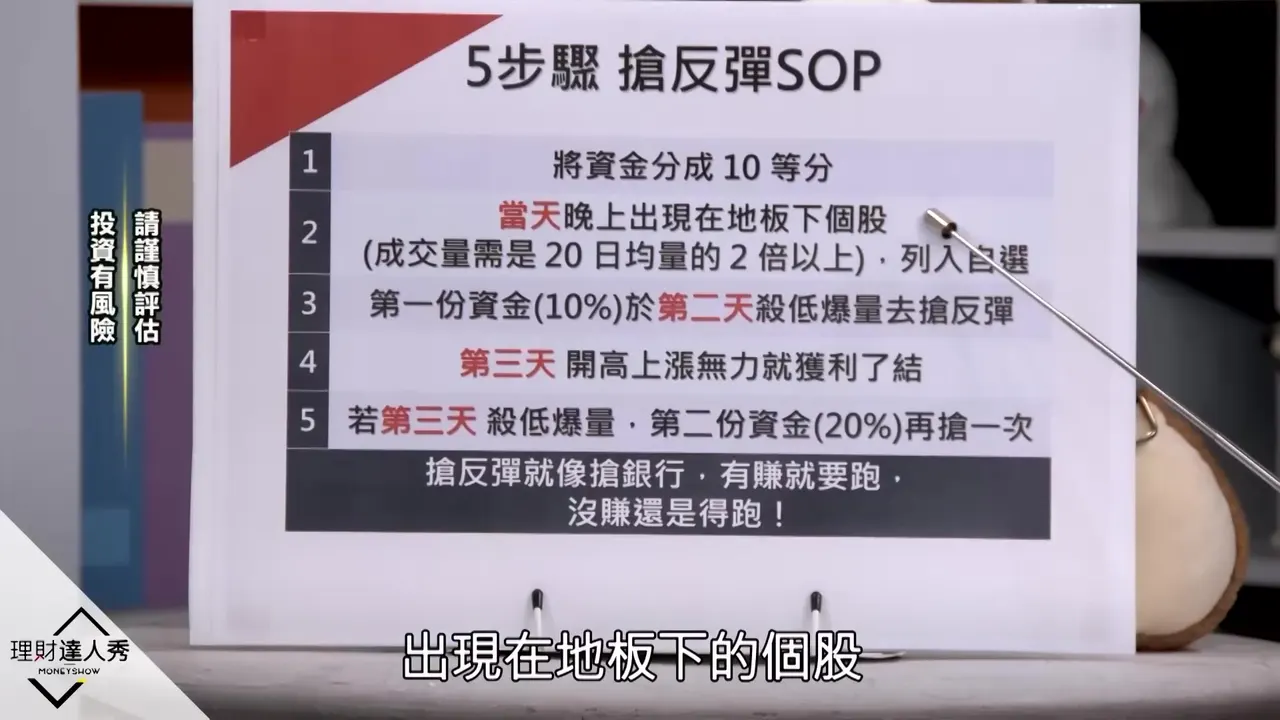
- The SOP is to split capital into 10 equal parts, screen each night for stocks below the floor with volume at 2 times the 20-day average, take the first shot with 10% of capital, and add 20% if there is another heavy-volume plunge, building a positive pyramid; exit whether or not you have a profit.
- Without volume, do not play: stocks with consecutive limit-downs may head all the way to delisting, and the day the limit-down opens is the day to escape; Jentech and Taiwan Business Bank are cases that rebounded after heavy volume at lows, but the method suits fast-handed traders, and the speaker stays away from stocks tied to public-safety accidents on conscience.
Section summaries
3:30Does a Big Fall Mean a Rise? Debunking Rebound Myths and Reading Volume
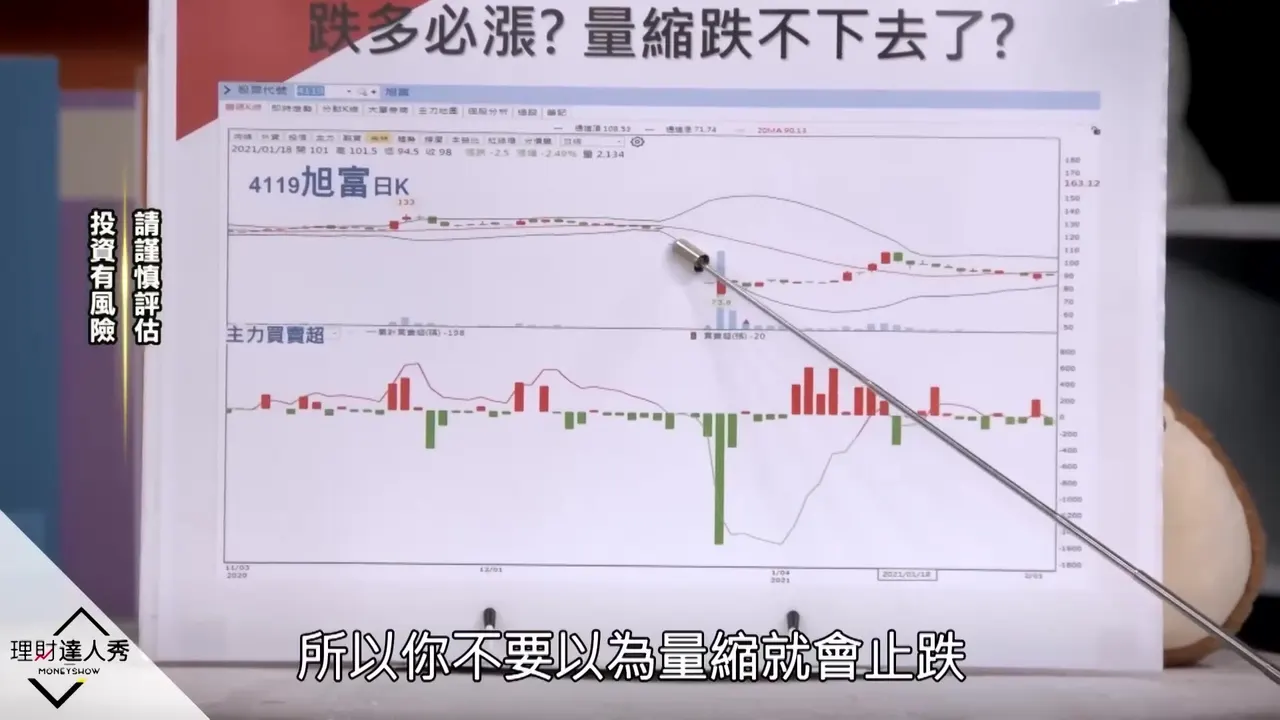
Three common myths are debunked. "A big fall must rebound" has no standard: is a drop of 10%, 20% or 50% big enough? One case had 14 consecutive limit-down candlesticks with no volume from start to finish. "Shrinking volume means it can't fall further" is also wrong: anyone who bought Xufu on the first limit-down day watched it fall 4 more times, so limit-down with no volume is scarier. And "flee on a heavy-volume decline" applies only at high levels; a heavy-volume decline at the lows actually signals a rebound is coming.
▶ Watch from here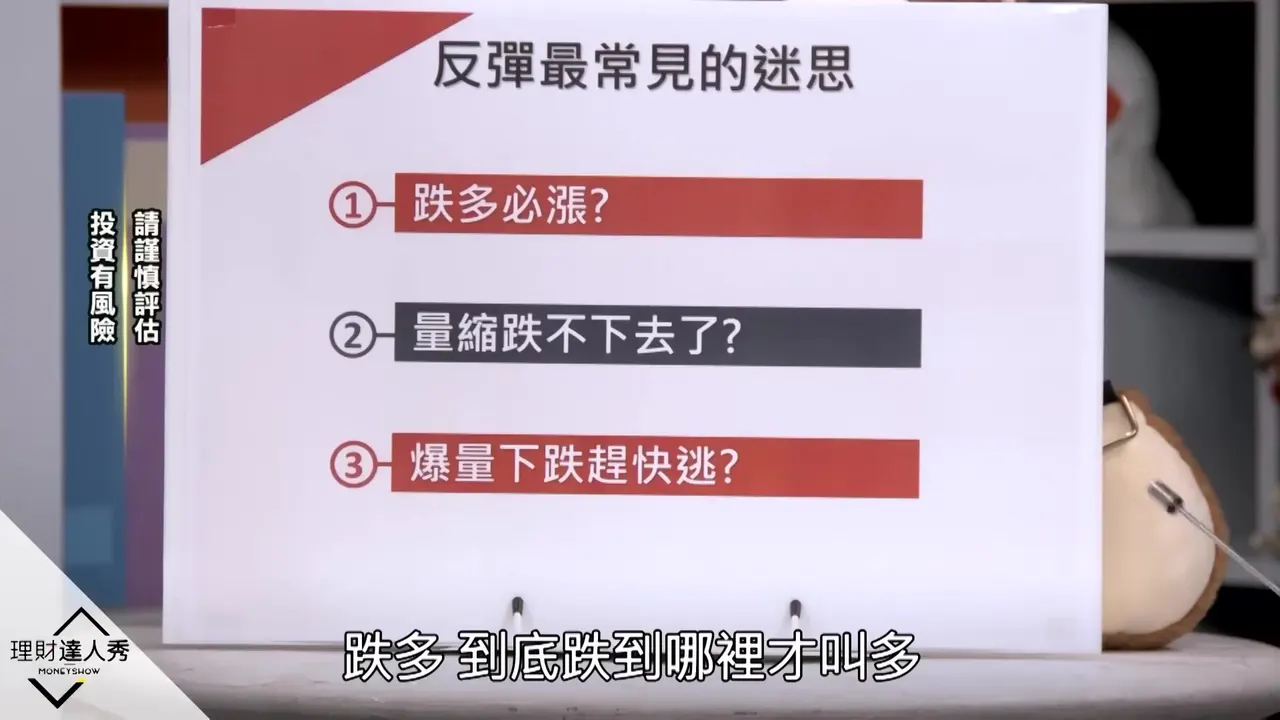
6:15Volume at the Lows Is the Entry Signal
To judge a beaten-down stock, watch every day whether volume surges; only with volume at the lows can a big red candlestick rebound appear. Take the company hit by a fire that day as an example: volume appearing at the lows is the entry signal, and only afterward do you look at the company's situation. Without volume, do not step in rashly.
▶ Watch from here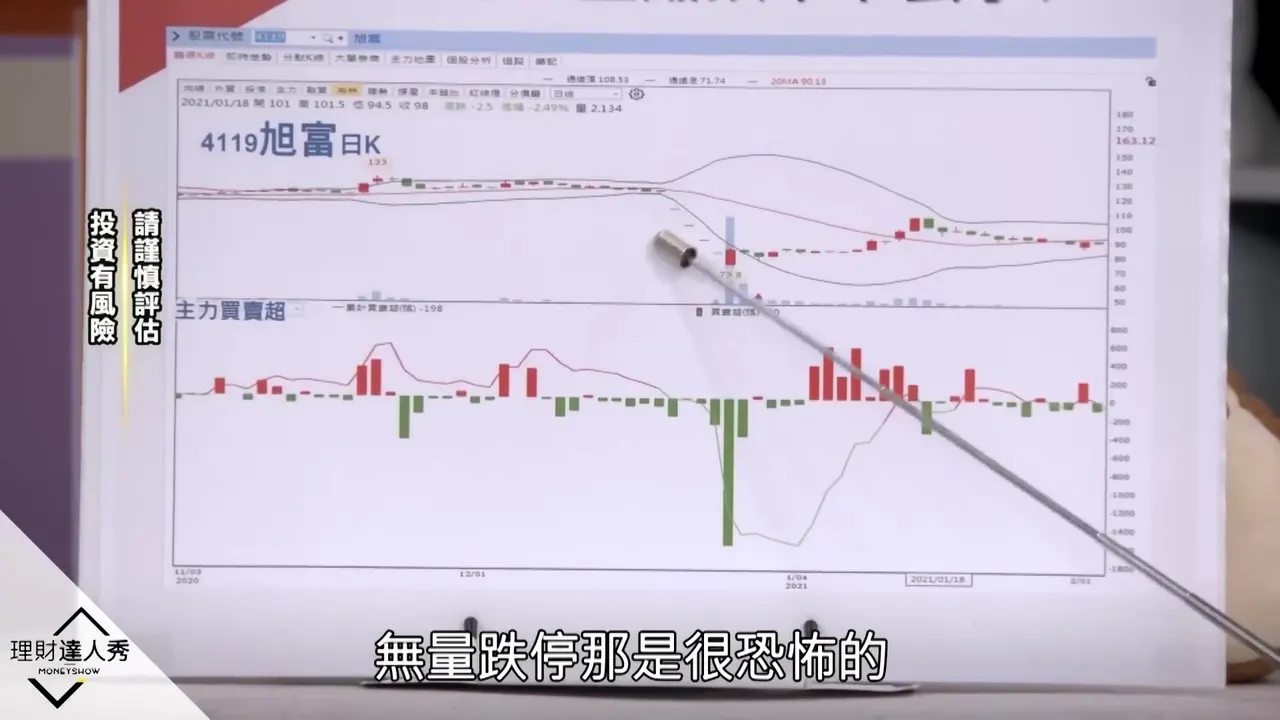
7:00The Risk of Consecutive Limit-Downs and Day-Trading the Rebound
Stocks with consecutive limit-downs are extremely risky: one stock fell limit-down from 24 yuan to 8 yuan and was then delisted, so the day the limit-down opens is the last day to escape. If you hold no shares, play only the day it opens, handled as a day trade; if it opens and cannot hold, sell quickly. In the example it rose more than 3% after opening, but you could actually follow along for only 2 minutes. What matters is whether volume appears; if it does not, do not play.
▶ Watch from here8:46Heavy Volume at the Lows Means Insiders Are Absorbing
Take the spot where Poya fell on heavy volume: the price had already dropped a lot and then volume surged, which means informed players stepped in to absorb shares. The speaker also mentioned that the stock of the company hit by a fire that day traded more than 1 wan (ten-thousand) lots.
▶ Watch from here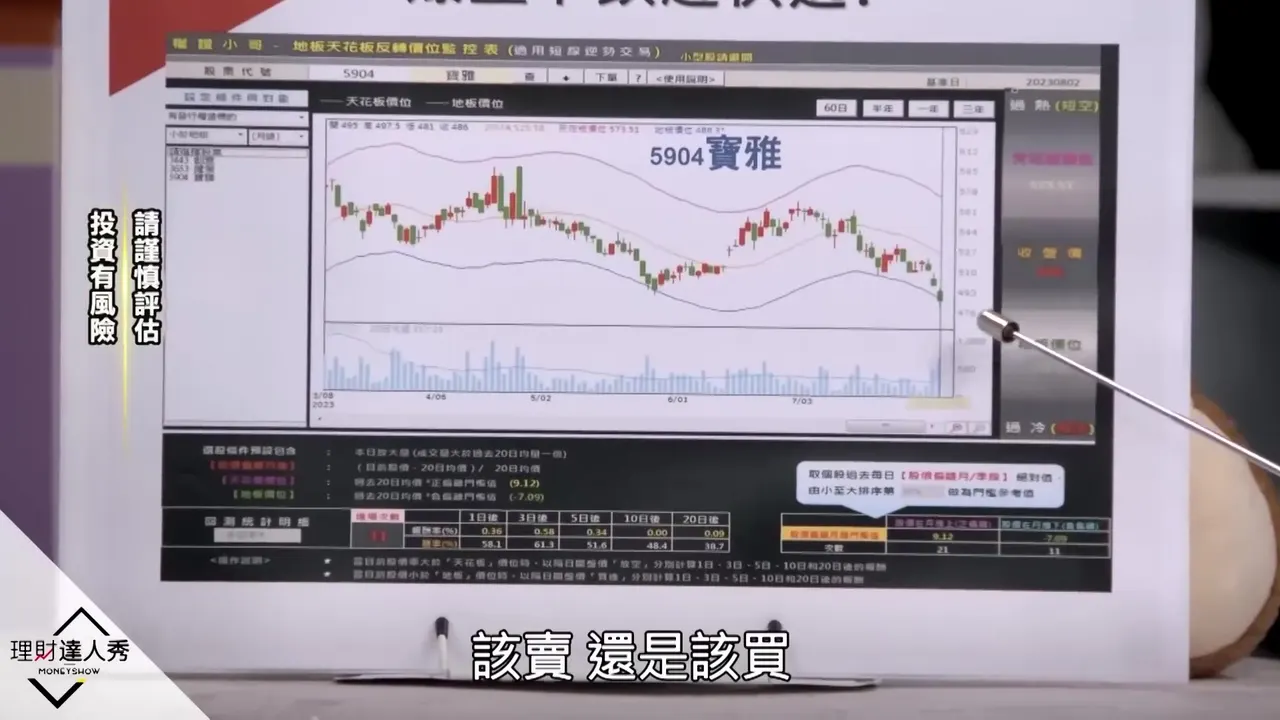
9:01The Logic of Trading Against a Heavy-Volume Plunge
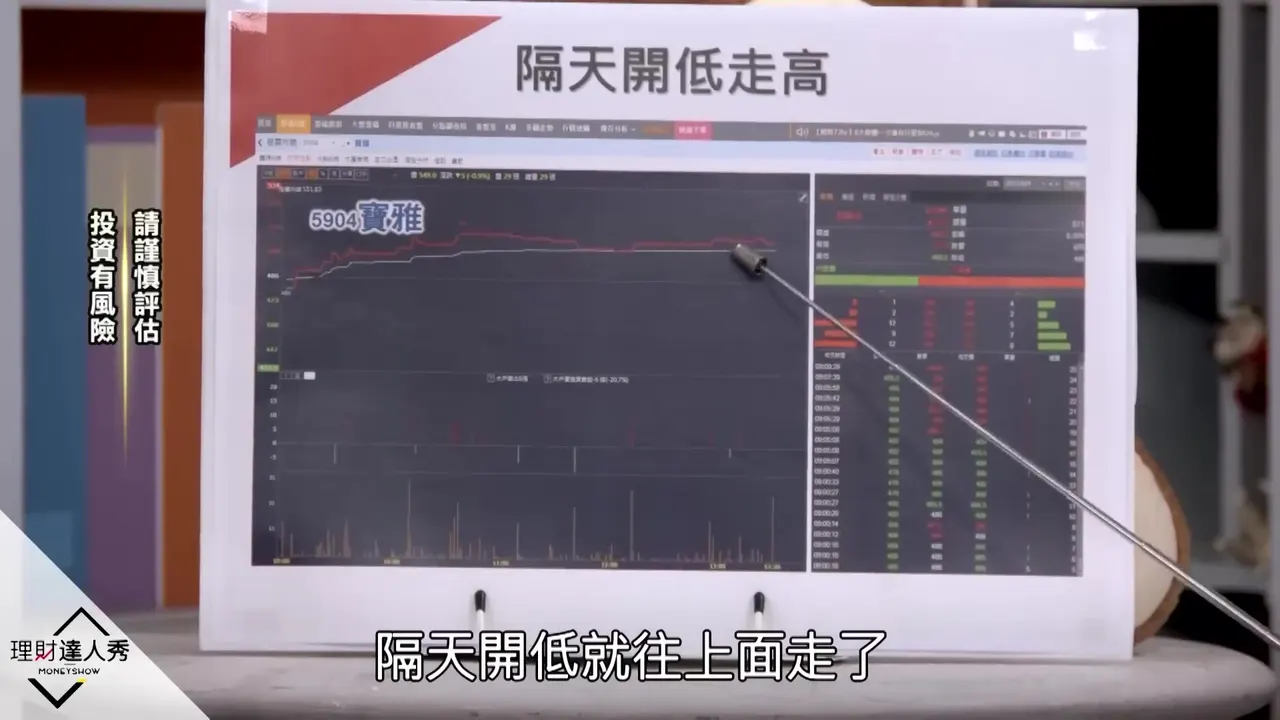
The speaker once showed a chart of a heavy-volume plunge to a stock-market writer, who instinctively sided with the sellers and thought a fall with volume would keep falling. The speaker's position is to do the opposite: volume appearing at the lows does not mean it will keep falling. In Poya's case, the day after the volume appeared it opened low and rose through the day.
▶ Watch from here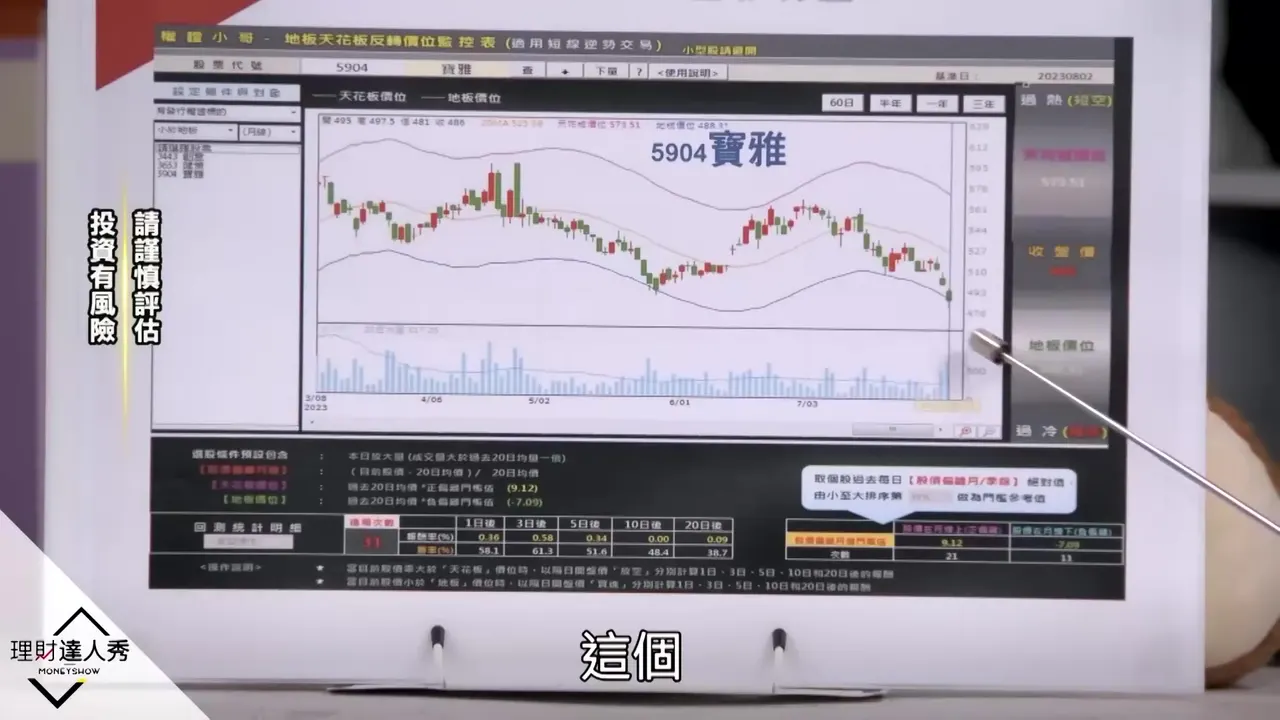
10:21Why Heavy Volume at the Lows Rebounds Easily
Heavy volume at the lows means everyone who wanted to sell has sold, so selling pressure is gone; buyers entering at the lows have low cost, stronger conviction and less fear, so a rebound comes easily. But the rebound usually lasts only 2 days: exit after catching 2 big red candlesticks or a bounce to the monthly moving average, because beyond that it runs out of steam.
▶ Watch from here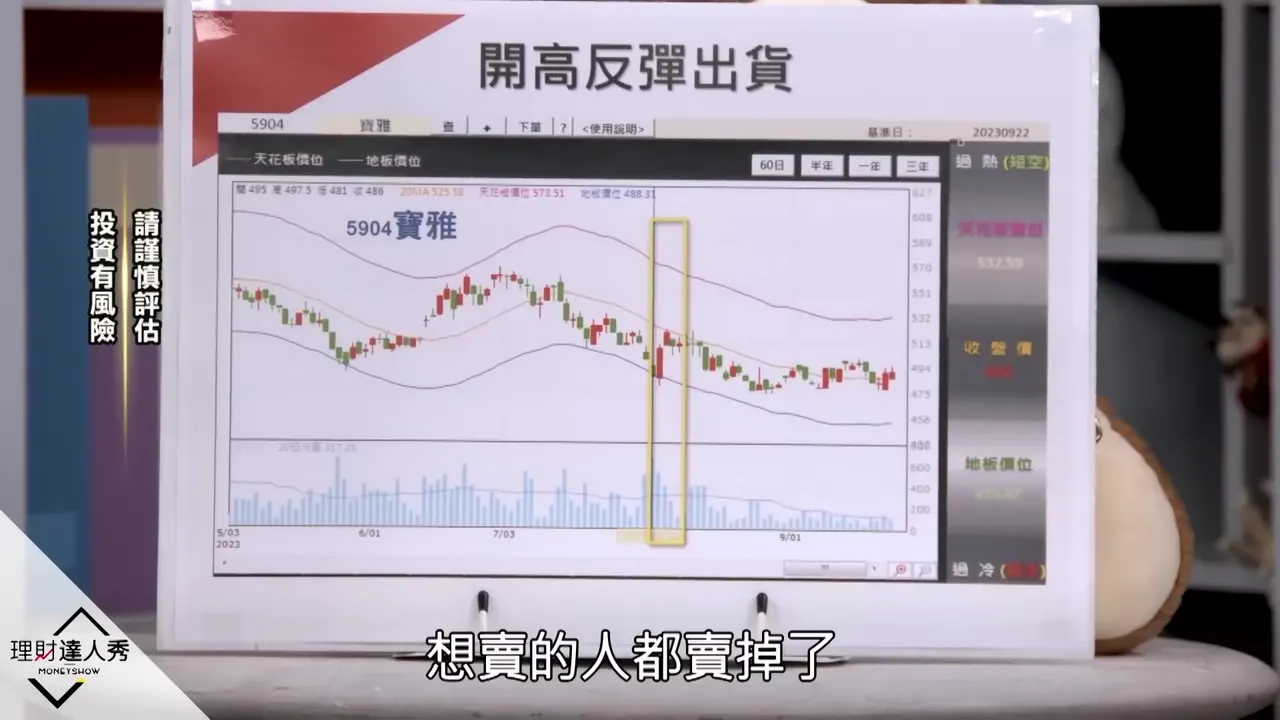
11:21Floor Stocks: Reading Volume and Shareholder Flows
Don't keep playing at high levels; red candlesticks from rebound trades at the lows pay well. The first condition is a stock that appears at the floor; the second is volume at 2 times the average when it breaks the floor, and the bigger the volume, the more accurate. In the example, the company hit by a fire looked like a no-volume limit-down the previous day, yet volume appeared late in the session, more than 2 times the 20-day average. The next day buying at the limit-down price at the open, it opened up right away and closed flat, which amounts to a 10% gain: buy at the open, sell at the close.
▶ Watch from here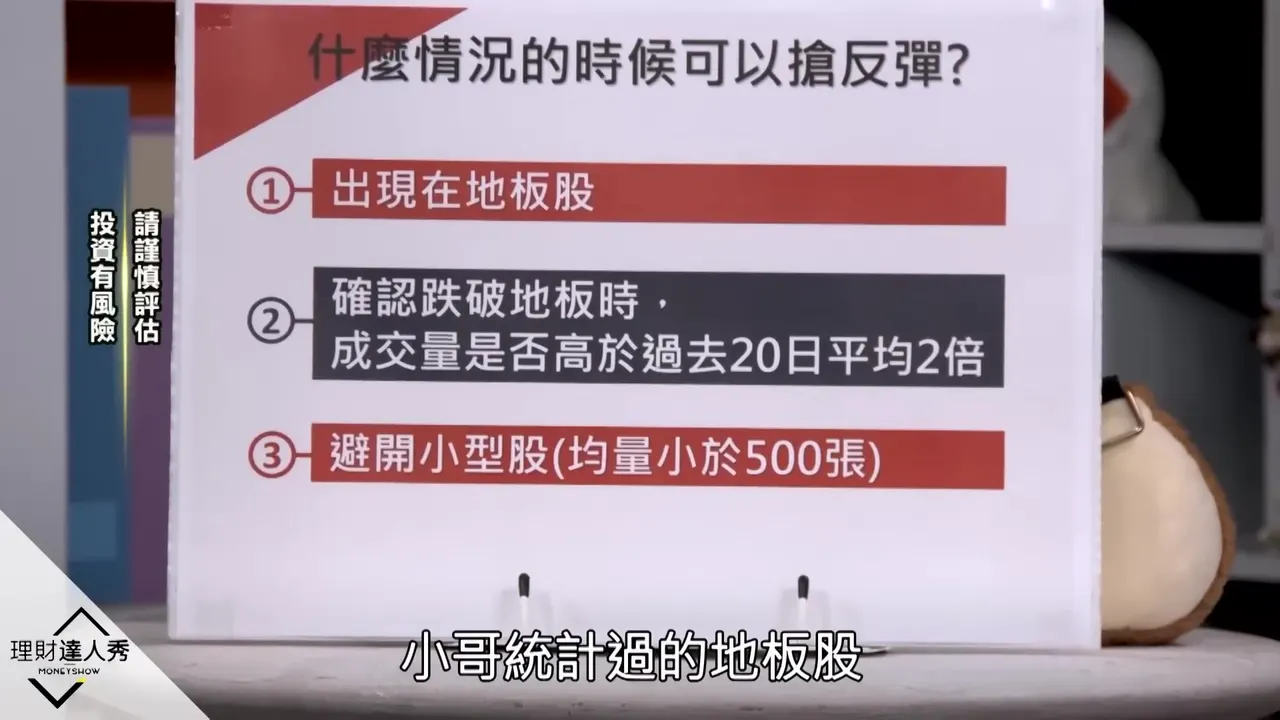
12:46Avoiding Small Caps and Taking Your Own Risk
The third condition is to avoid small caps: the smaller the average volume, the worse, since such stocks are easier to manipulate and have fewer shares in play. The company hit by a fire is an exception because it is an event-driven case; the speaker admits he couldn't resist trading it, stresses that this approach is riskier and raises the chance of losing money slightly, and says you play at your own expense. What he usually teaches is mostly safer methods, and you bear your own operating risk.
▶ Watch from here13:40Panic Events and Turning Points from Negative Deviation
Extreme negative deviation keeps widening during panic events, which is a good time to catch a turning point, but it must be accompanied by volume. The second step is to take the first shot the day after consecutive black candlesticks on heavy volume; if it turns into a red candlestick, run. If it stays black, run anyway after 5 days without a bounce, though that is a very small probability.
▶ Watch from here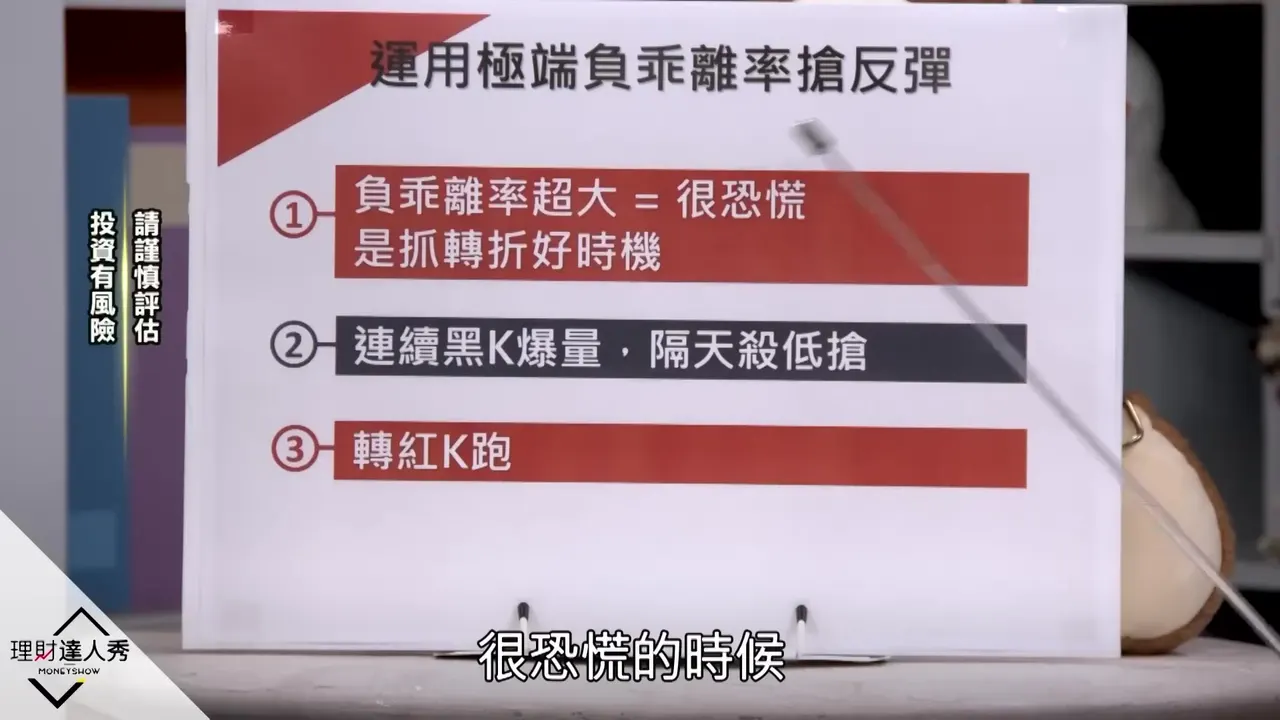
14:36Rebound SOP: Staged Pyramid Positioning
Step one of the SOP is to split usable capital into 10 equal parts. Each night, screen for stocks below the floor whose volume reaches 2 times the 20-day average; 5 times or 10 times means an even higher rebound probability. Add them to the watchlist. Buy the first part, 10% of capital, on the heavy-volume plunge, and take profit if it opens high on day 3; if day 3 plunges again on heavy volume, use a second part of 20% for another shot, a positive pyramid that buys more the lower it goes. The principle is that a rebound trade must be quick: exit whether or not you have a profit.
▶ Watch from here16:01A Theme-Stock Case of Heavy Volume at the Lows
Jentech had no news and no headlines yet kept plunging on volume; as long as there is volume, a rebound easily follows, and it did, falling and then climbing for a sizable gain. It also has a server theme, making it even stronger. The speaker stresses that every plunge with volume is worth watching and is a good time for rebound trades, since volume means someone is stepping in to absorb shares.
▶ Watch from here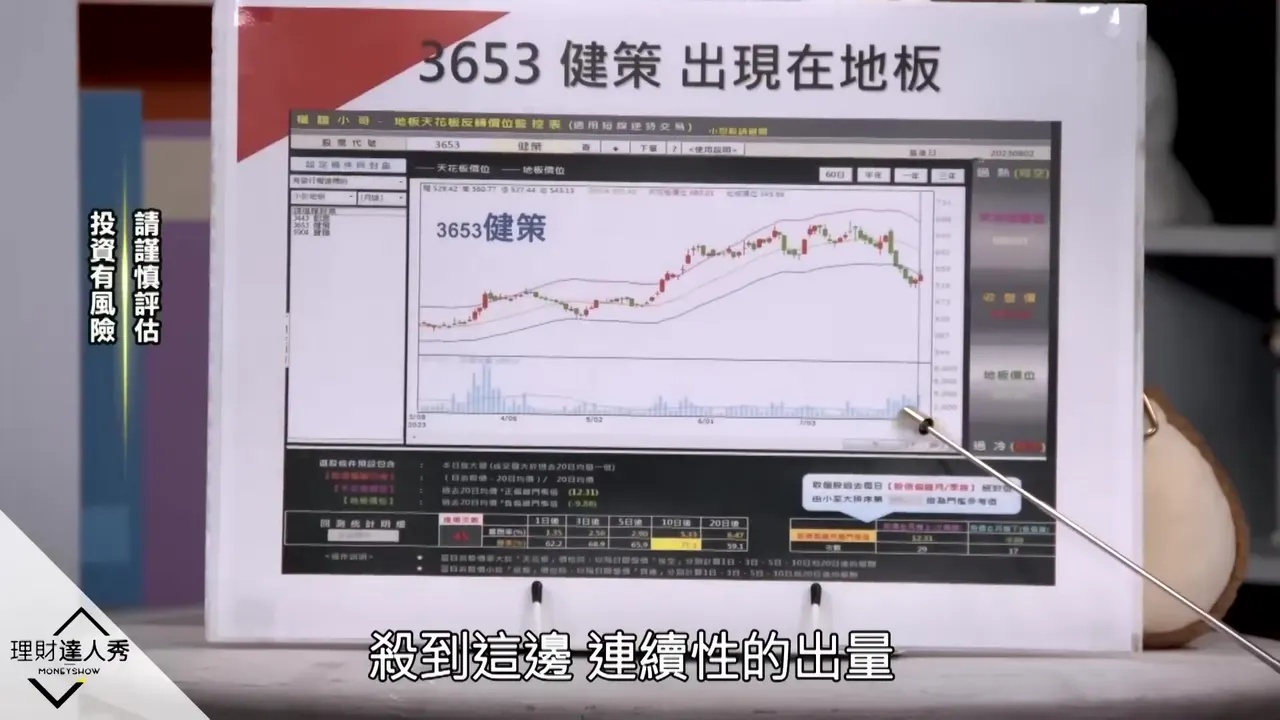
17:21Summary of the Strong-Rebound Trading Method
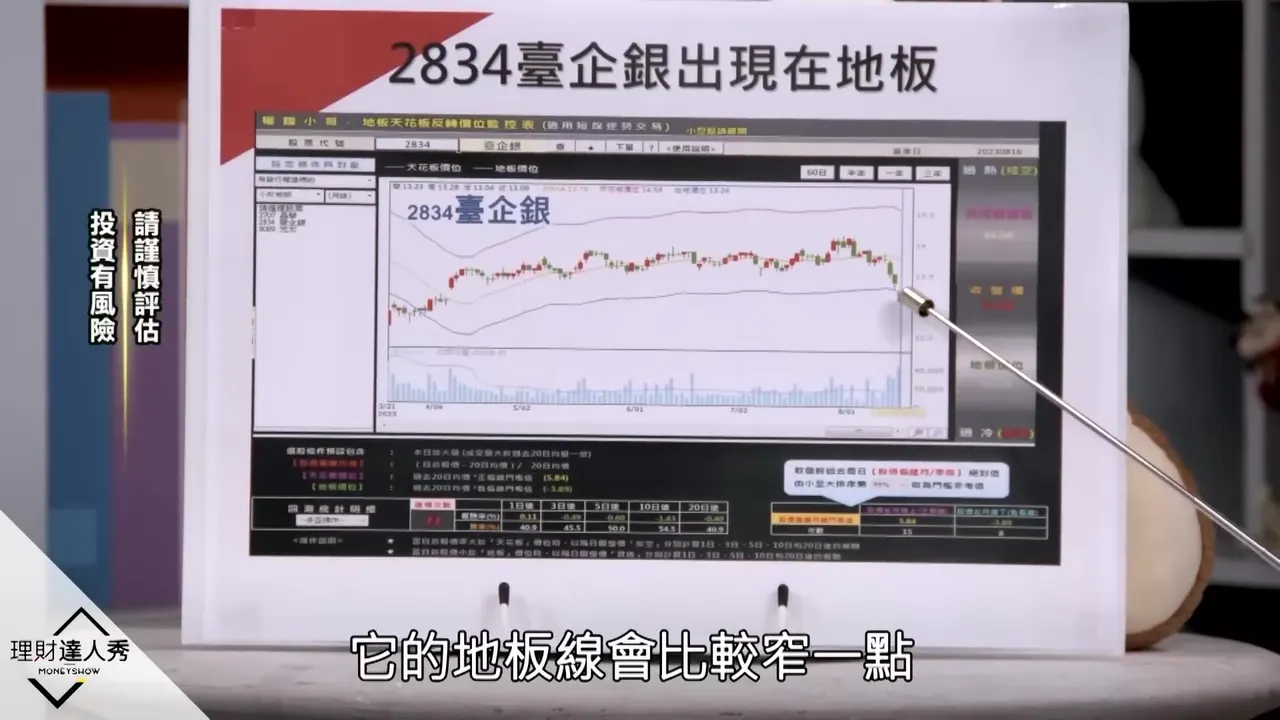
Taiwan Business Bank is a sluggish type of stock with a narrow floor line; after it dropped to the floor on volume, it opened low the next day, then climbed and rebounded. To sum up the strong-rebound method: volume after a plunge to the floor line means informed money is stepping in to absorb shares, and the win rate is quite high. But the method suits fast-handed investors: run if you catch it, and run even more if you miss it. Stocks tied to public-safety accidents the speaker stays away from on conscience.
▶ Watch from here