Using Key Broker Branches to Find Major-Player Entry Points: A Screening SOP Based on Catcher and Winbond
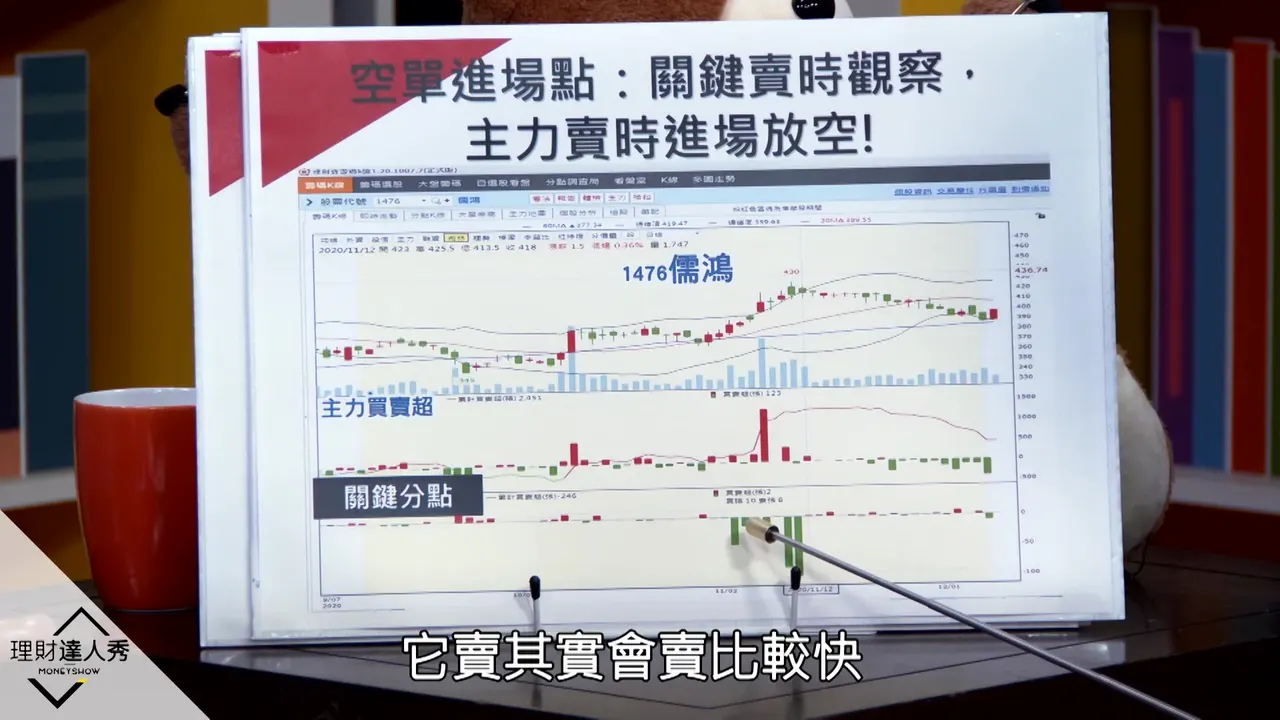
TL;DR: Key broker branches are large-position branches that sell heavily at highs, buy heavily at lows and have a long record of profit; enter when the major players start buying big and exit when they turn to selling, because they accumulate slowly and dump fast.
Key ideas
- The branch that buys the most is not necessarily a key branch; it only counts if it has been accurate every time in the past. The SOP is to find branches that sell tens of thousands of lots at highs, buy big at the first level, are very profitable, are often local branches, and are the branches the same business group commonly uses.
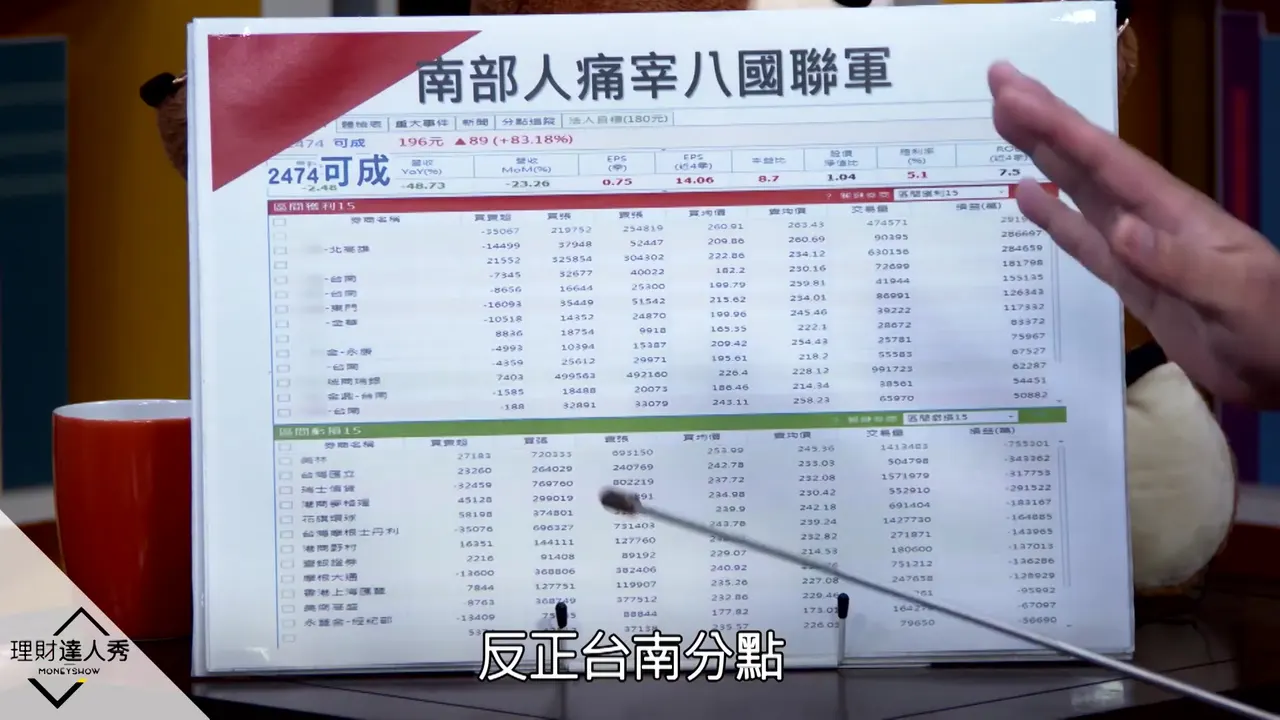
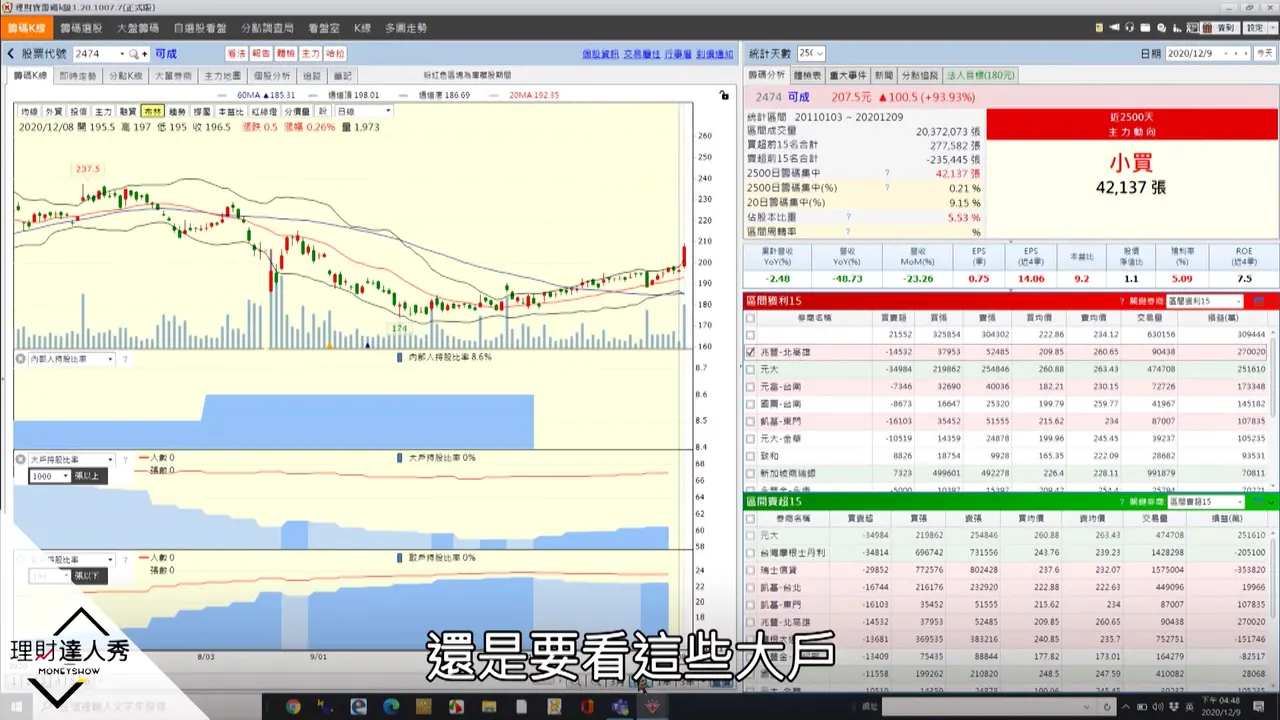
- Catcher's 10 years of data show the North Kaohsiung branch had an average buy price of 209.86 and an average sell price of 260.69, earning 28 yi (1 yi = hundred million) from Catcher alone, while the Tainan branches combined earned over 100 yi. This shows key branches must be verified with long-term data: 240 days is not enough, you need to stretch it to 2500 days.
- A healthy chip structure has whales increasing and retail decreasing; after retail piles in, a crash often follows. When a corporate-director share transfer filing appears at a high and the major players are also selling, it is a signal to run.
- You do not need to buy at the very bottom: observe while key branches accumulate, then enter when the major players start buying big. Buying Catcher around 180 was only 6 away from the low of 174. For exits, wait until the major players turn to selling, because their dumping is like a waterfall.
Section summaries
7:45Finding Key Broker Branches with the Chip K-Line App
Using Winbond and Chi Mei Optoelectronics as examples, the Yuanta Guanqian branch net bought over 3 wan 1000 lots and over 3 wan 3000 lots respectively within 60 days (wan = ten thousand); Walsin, which the same branch bought earlier, also surged afterward. Nanya Technology had a double boost from foreign investors and the second-ranked key branch buying big at the same time. You can look for stocks using conditions such as joint major-player buying, joint foreign-investor buying and joint major-player selling, but the branch that buys the most is not necessarily a key branch; it only counts if it has been accurate every time in the past, and compiling that yourself across more than 1700 stocks is almost impossible.
▶ Watch from here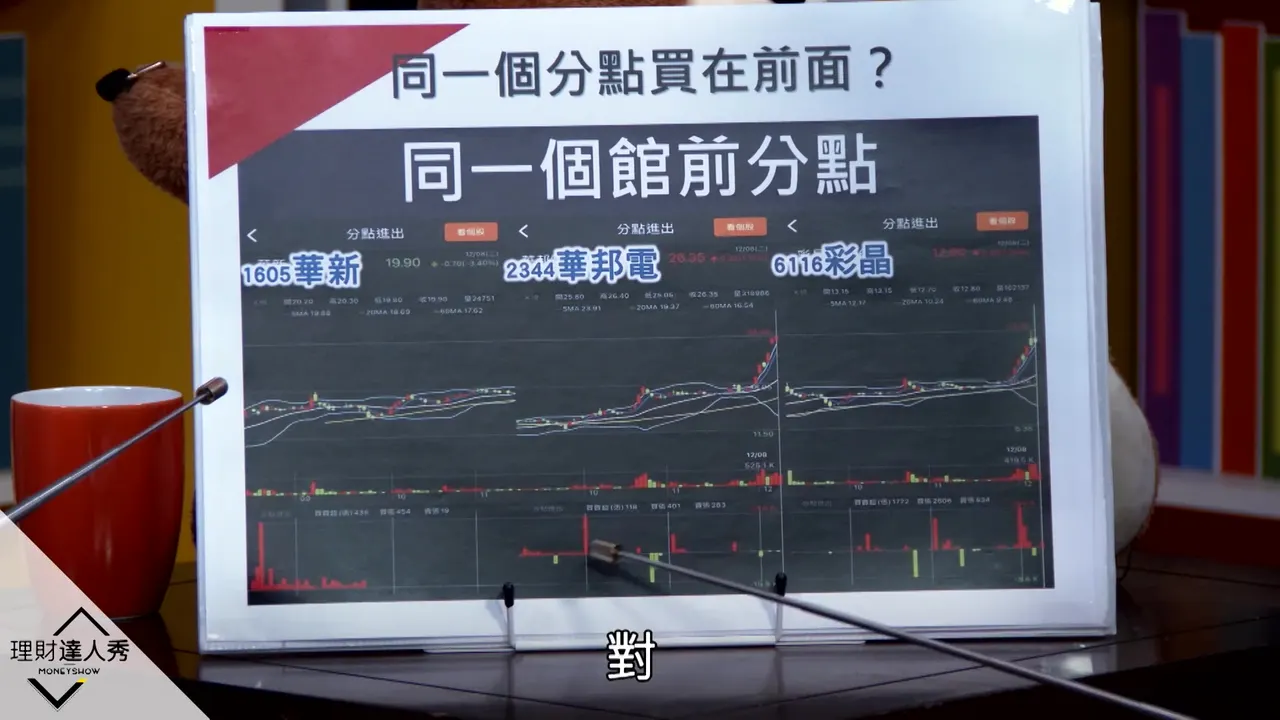
13:01Key Branch SOP Summary
The SOP for finding key branches has 5 items. First, find large-position branches that sell heavily at highs, selling tens of thousands of lots at a time, rather than a lucky sale of just 1 lot. Next, find branches that buy big at the first level, then branches that are profitable, since those that buy big at lows and sell big at highs usually earn a lot. Key branches are also often local branches, and stocks of the same business group are often traded through the same branches. Taking the Tainan branches trading Catcher as an example, they bought big at the low during the sharp drop in March, and when selling at highs it was like a waterfall.
▶ Watch from here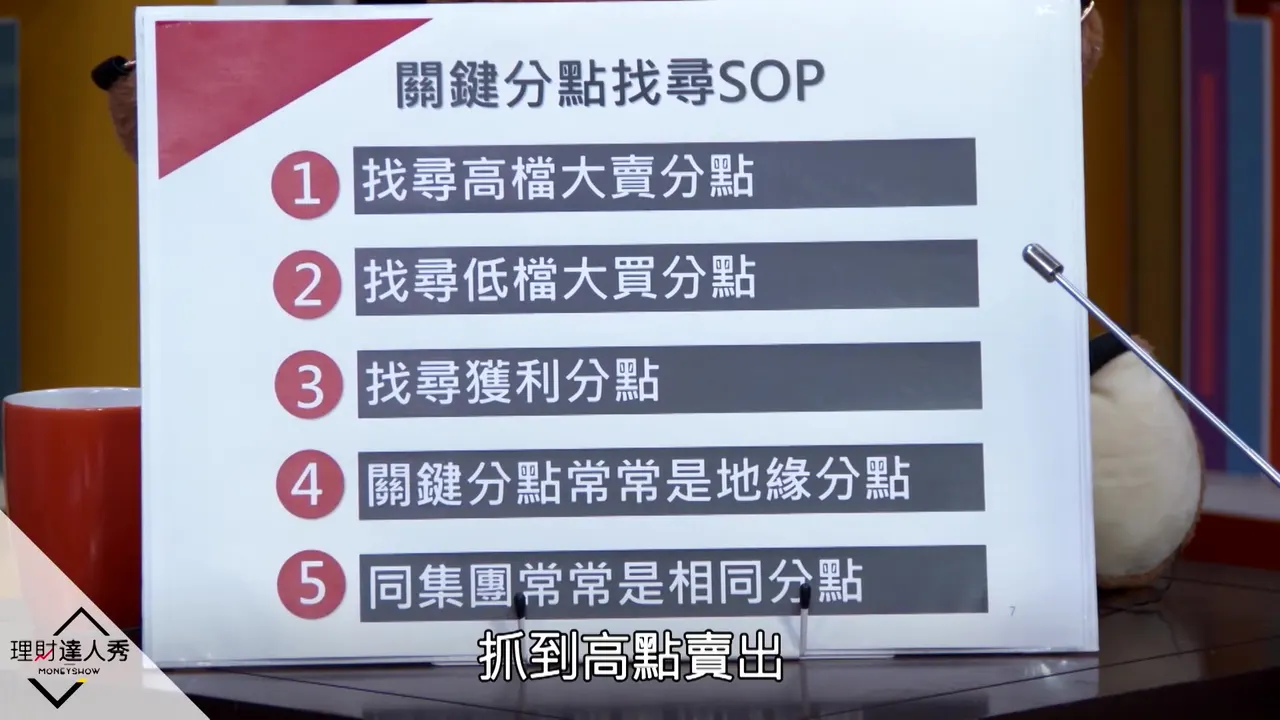
14:35Example: Tainan Branches Trading Catcher
In Catcher's 10 years of data (from 2011 to now), the most impressive is the North Kaohsiung branch: average buy price 209.86, average sell price 260.69, earning about 5 wan per lot (wan = ten thousand). It bought over 3 wan lots, earning 28 yi from Catcher alone in 10 years (yi = hundred million), without counting dividends. Other impressive branches are mostly around Tainan, and in total the Tainan branches earned over 100 yi from Catcher in 10 years, again with dividends not yet counted. The speaker heard from a broker that a supervisor once told everyone to hurry up and buy, and speculates that many company employees are among them.
▶ Watch from here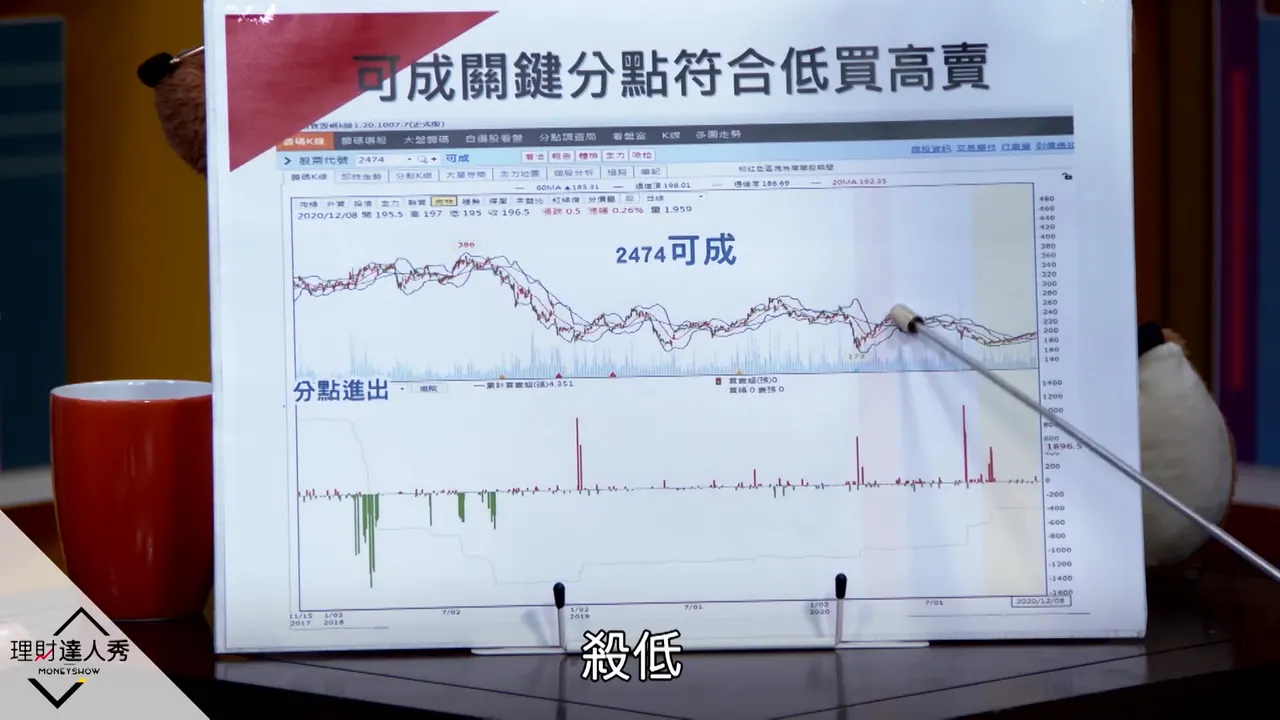
19:01Research Results and Statement Evidence
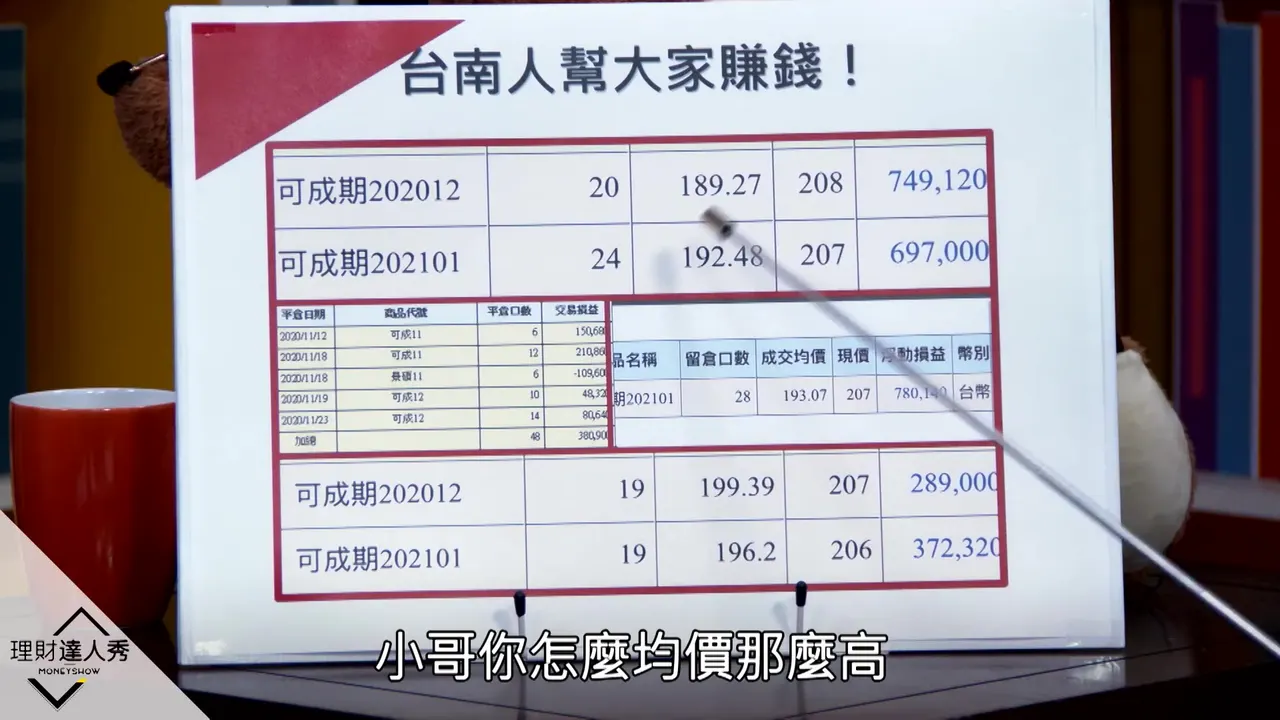
This wraps up the list of key branches for Catcher and stresses that chip data only began to be published in 2011, and that compiling it manually would require an Excel sheet of 1 wan lots (wan = ten thousand), which is too hard. The speaker shows his own statement from trading Catcher futures by following the Tainan branches: to avoid having too many contracts in one account, which is hard to cut in a big drop, he split them across 3 accounts. One account holds 20 contracts at an average of 189, rolled over month by month from September, and the rolling alone earned 38 wan. He also reviews Huahui: at 7-something, whales were increasing and retail decreasing; the price fell but the major players had not run, so there was nothing to fear, and it later rose as high as 12, a profit of about 60–70%.
▶ Watch from here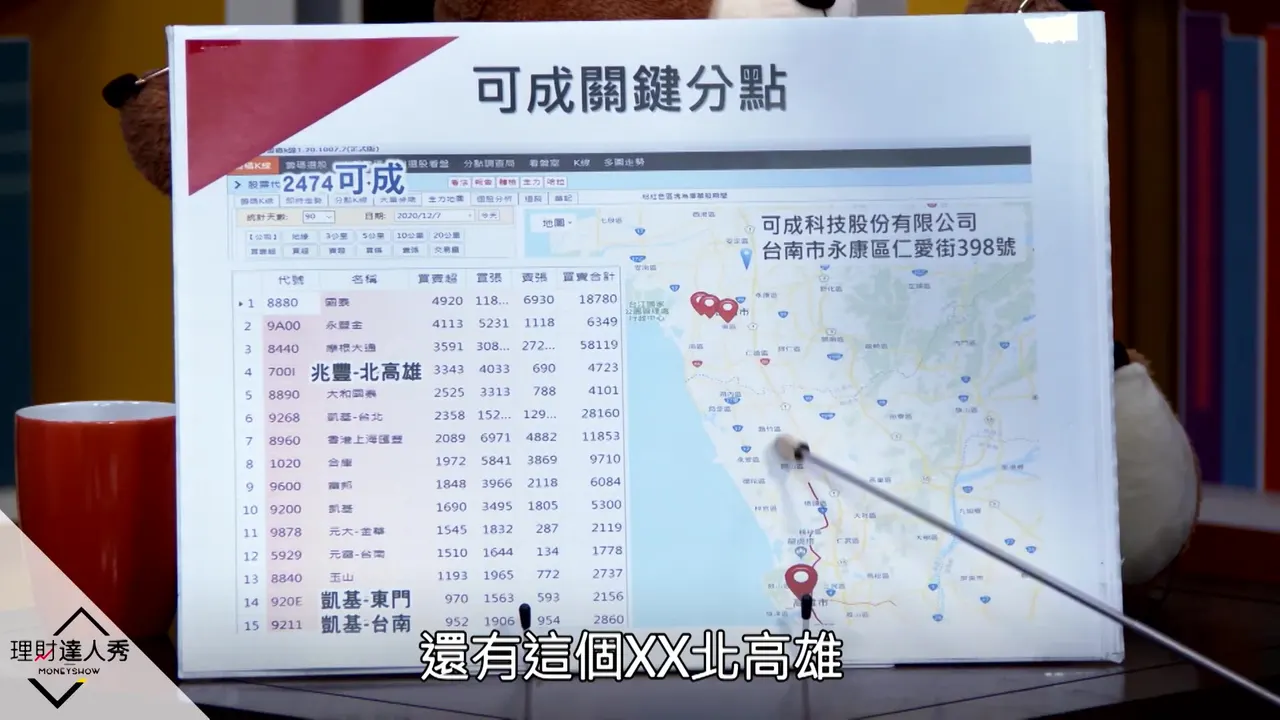
23:11Desktop Software Stock-Screening Demo
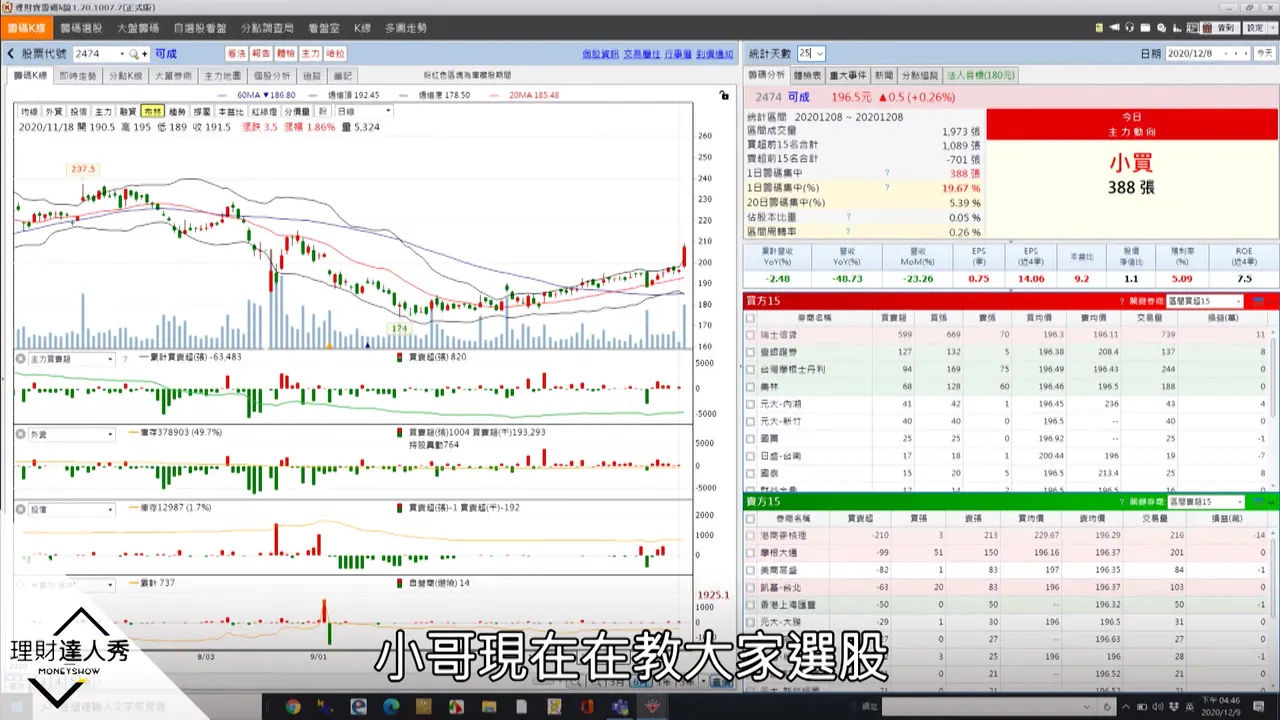
In the past you had to go to the Taiwan Stock Exchange library to dig through records; now you can look them up online, but making Excel sheets yourself every day is exhausting, with 61 pages for a single stock. Short-term data of only 240 days cannot verify key branches that need 10 years of observation, so you should stretch the data to 2500 days when screening. With Catcher as the example, after clicking on profit over the period, key branches such as North Kaohsiung, Tainan Dongmen and Yongkang all show up, and the major players have turned to net buying again.
▶ Watch from here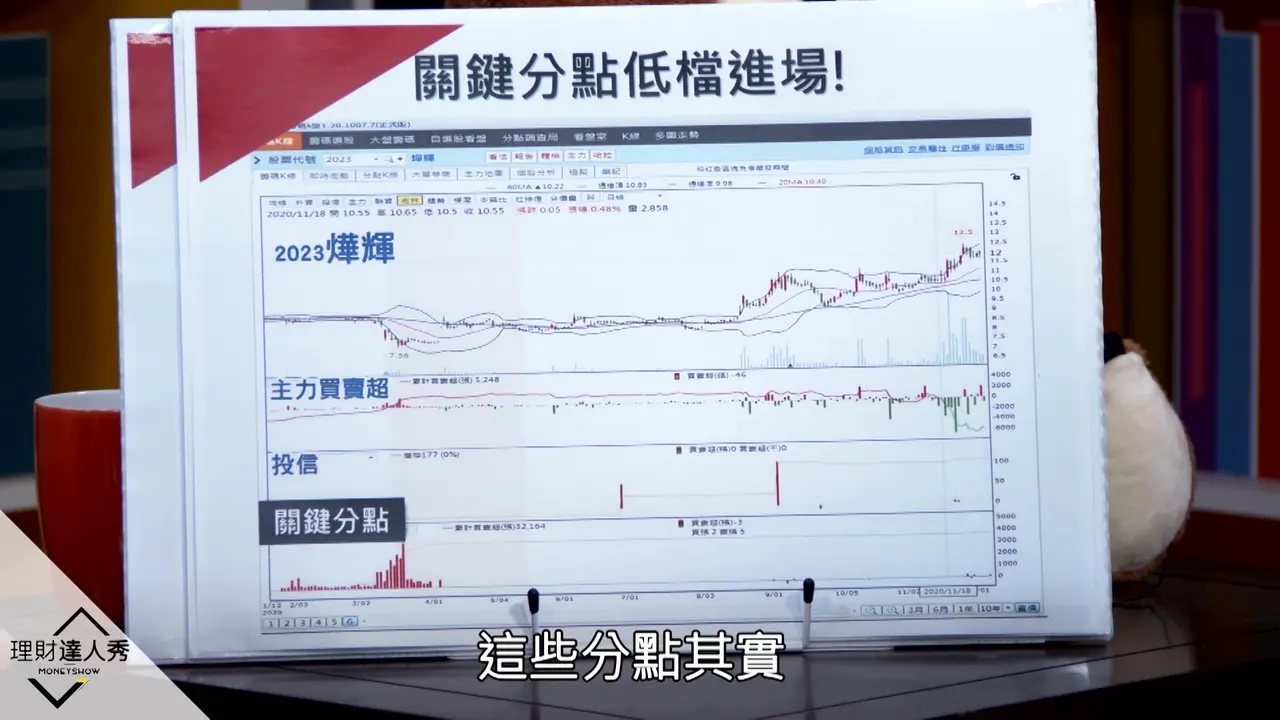
26:00Software Features and Reading Chip Structure
To read chips, you can look at major-player net buying, big foreign-investor buying and key-branch entry points together, and technical indicators such as KD, MACD and RSI and the insider shareholding ratio are also available for reference. Catcher has whale holdings increasing and retail decreasing, which is a healthy chip structure, and margin financing and securities borrowing are both falling. The counterexample is Dubai Top: retail piled in heavily and a crash often follows, with the stock gapping up to limit-up and then gapping down right after.
▶ Watch from here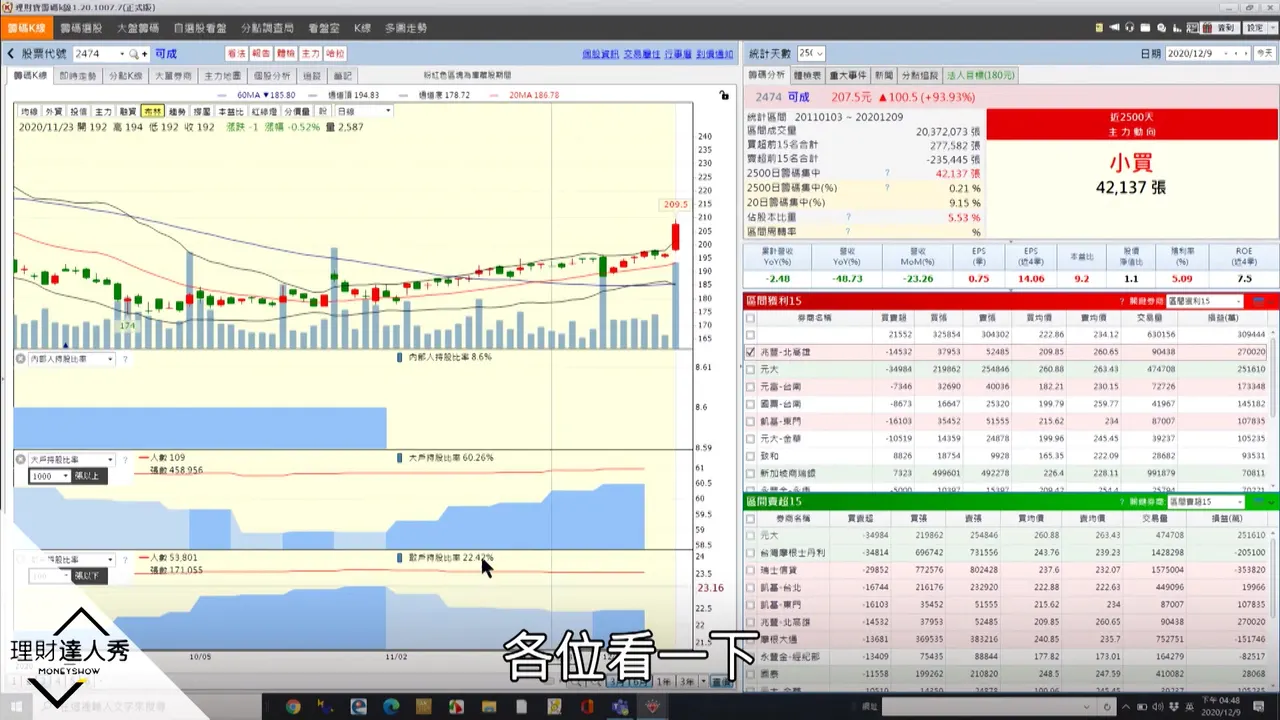
28:45Share Transfer Filings and Entry Points
At Dubai Top's high, on December 1 a corporate director filed to transfer 1952 lots, with another 1500 lots filed, while the major players were also selling; directors selling at a high is a signal to run. On entry points: observe while key branches accumulate, and enter once the major players start buying big. With Catcher, entering around 180 was only 6 away from the low of 174, so there is no need to wait painfully for the bottom; right after buying, it started moving.
▶ Watch from here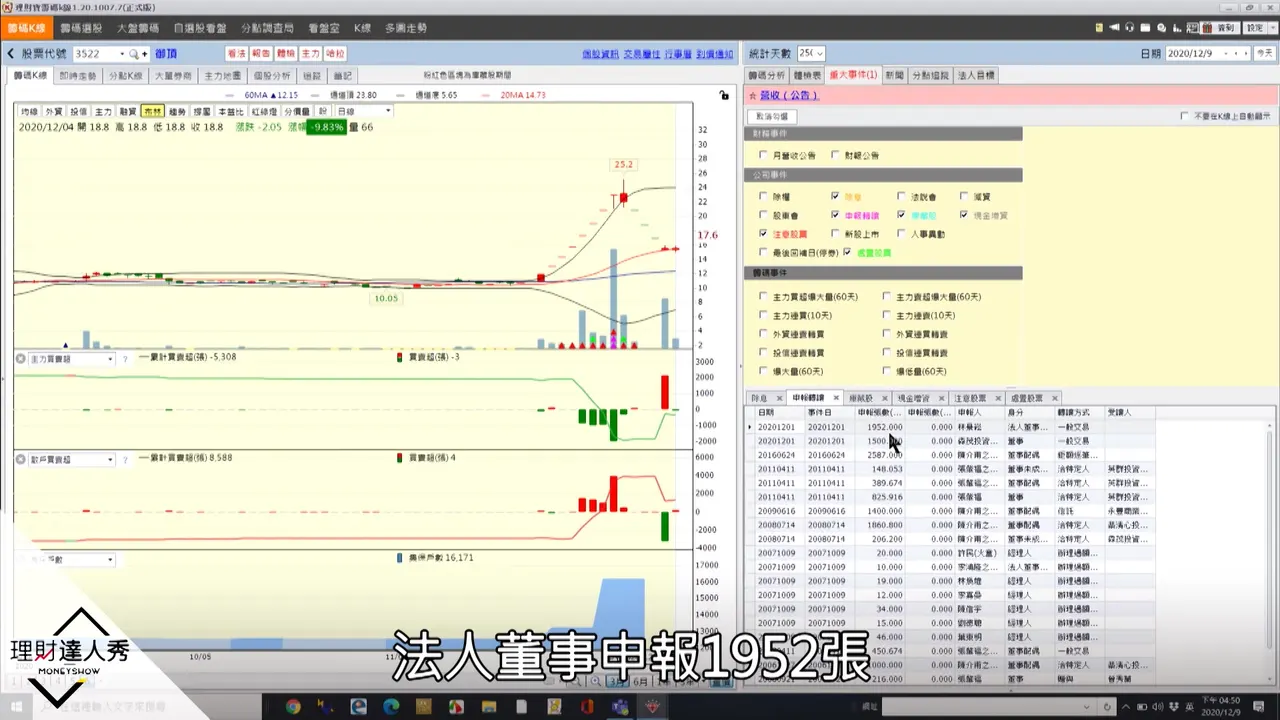
33:42Chip Analysis Summary and Tool Advice
Major players accumulate slowly and dump fast, and their selling is like a waterfall. Taking Eclat Textile as an example, when key branches dump at highs you need not rush to exit long positions; sell the longs once the major players also turn to selling, or short a small amount. Buying should be like observing for a while before dating, while a breakup requires a quick exit. The speaker reviews cases where key branches warned many times of big rallies, limit-ups, and big drops and limit-downs, and stresses that chips are built from real money, the hardest to understand but the most accurate, and that compiling them manually takes far too long.
▶ Watch from here