Playing Ex-Dividend with Single-Stock Futures: A Creative Example, Selection Criteria and Historical Gap-Up Stats
TL;DR: Joining ex-dividend plays through single-stock futures means the dividend is credited on the day itself, tax-free, with low trading costs; combined with a 5-day major-player concentration above 5% and a high historical gap-up probability, profit can be over 5 times that of holding the shares, but the risk is large and capital must be controlled.
Key ideas
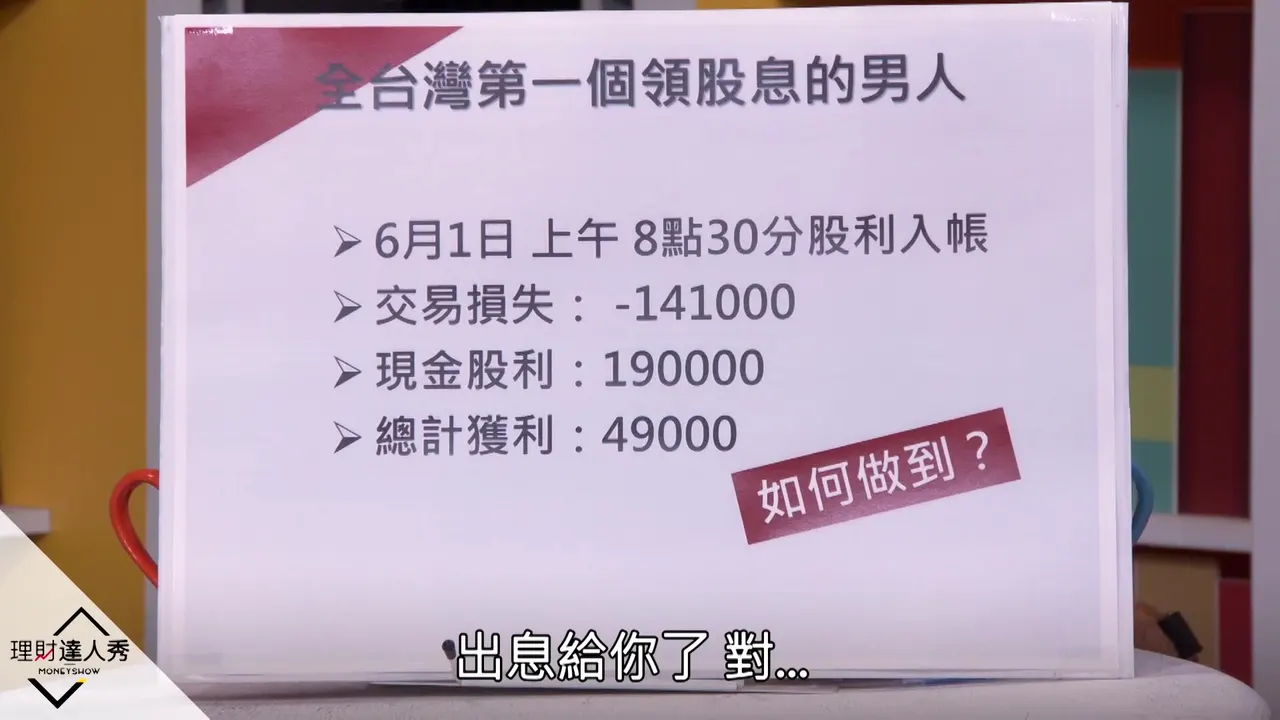
- The creative example shows a special edge of single-stock futures: despite a 14萬1 loss on the futures price spread, the 19 萬 dividend was credited first thing on the ex-dividend day, tax-free and with no supplementary health insurance premium, leaving a total profit of 49000; with cash shares you wait half a month to a month for the dividend.
- With the same 177 萬 in the creative ex-dividend play, cash shares earned about 2萬1 and single-stock futures about 11 萬, a difference of over 5 times, mainly because futures have low costs and high leverage; the price is high risk and the need to deposit funds first thing that morning, so don't put in too much capital.
- Pick targets by four conditions: 5-day major-player concentration above 5%, a high historical probability of gapping up on the ex-dividend day, a stock dividend, and selling on the gap-up. If concentration is weak, buy small: the creative example bought only 19 contracts, while with very good concentration you would buy up to 100.
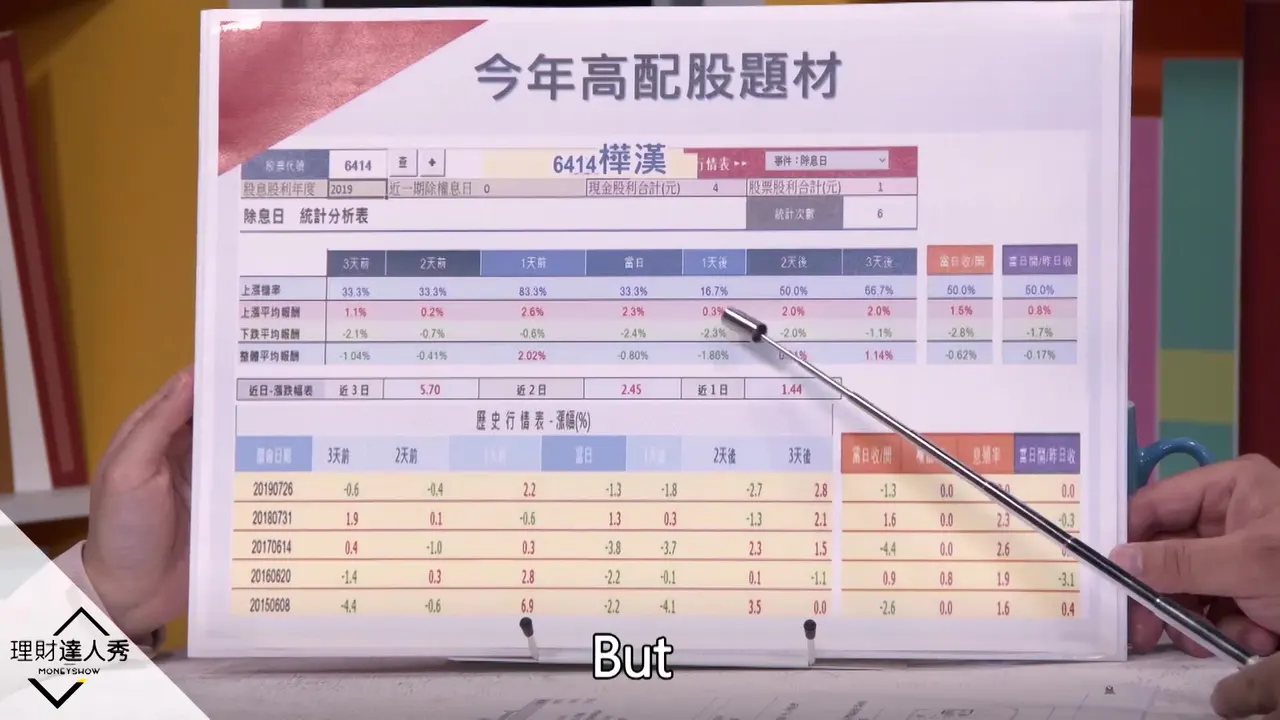
- Historical stats must be read stock by stock: some can be held 2 days, others only 10 minutes; some have a high gap-up probability but tend to gap up and fade, and some pay many bonus shares yet have only a 33% chance of rising that day. Stats are never 100%, so don't look only at how many shares are distributed.
- The rhythm is to set positions 2 days before ex-dividend: if the stock gaps up the day before, sell for the spread first; if not, wait to sell on a gap-up on the ex-dividend day. If it doesn't gap up, cut the loss, or hold until the close and take a chance. Use single-stock futures to boost leverage; conservative traders can use cash shares.
Section summaries
4:25Answering Doubters and the Creative Ex-Dividend Payout Example
First the speaker answers viewers who doubted the statements were faked, stressing that losses are shown honestly too. Creative paid a 5 dollar dividend with ex-dividend on June 1, and in the single-stock futures position the 19 萬 dividend was credited first thing at 8:30, tax-free and with no supplementary health insurance premium; after deducting the 14萬1 futures spread loss, the total profit was 49000.
▶ Watch from here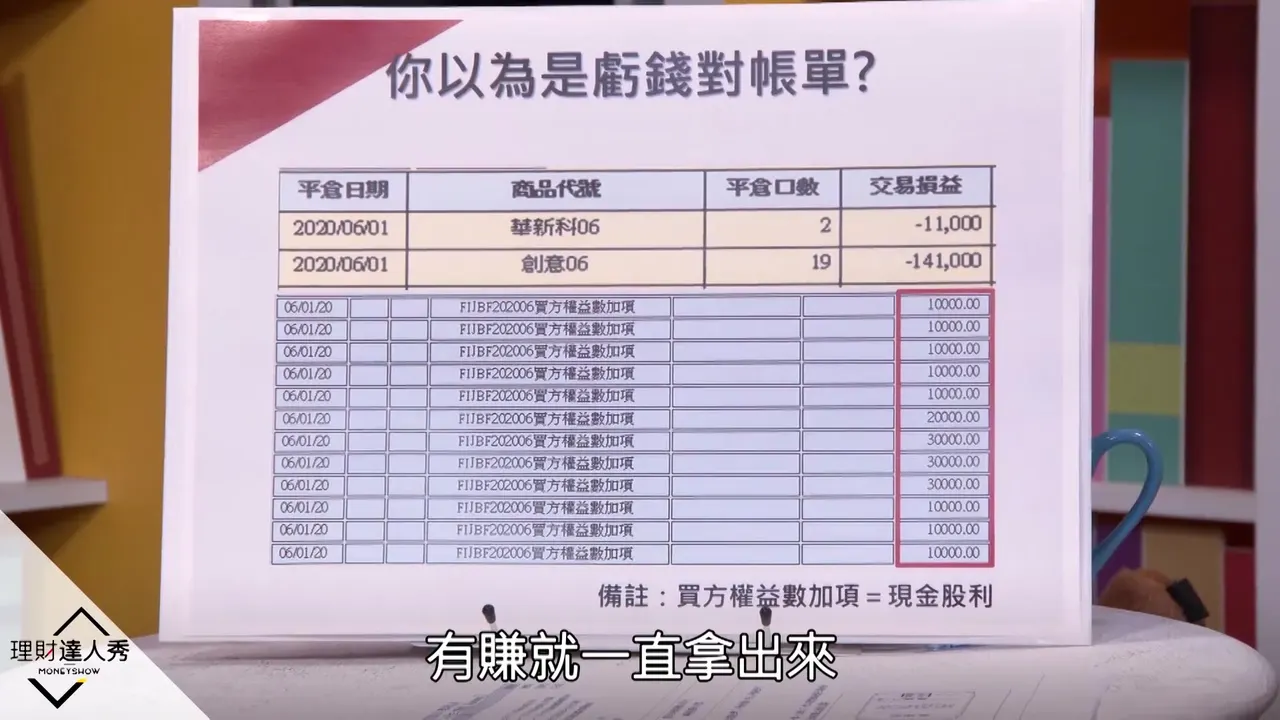
8:10Stock Futures Cost Less to Trade Than Cash Shares
In the days before ex-dividend, first earn the price spread with single-stock futures, because low trading costs leave a profit even on short in-and-out trades. Selling cash shares after a 1.3% gain still means paying 0.3% securities transaction tax, income tax, the supplementary health insurance premium and fees, leaving little profit, like working for the government; futures cost far less, so the same 1.3% earns a lot.
▶ Watch from here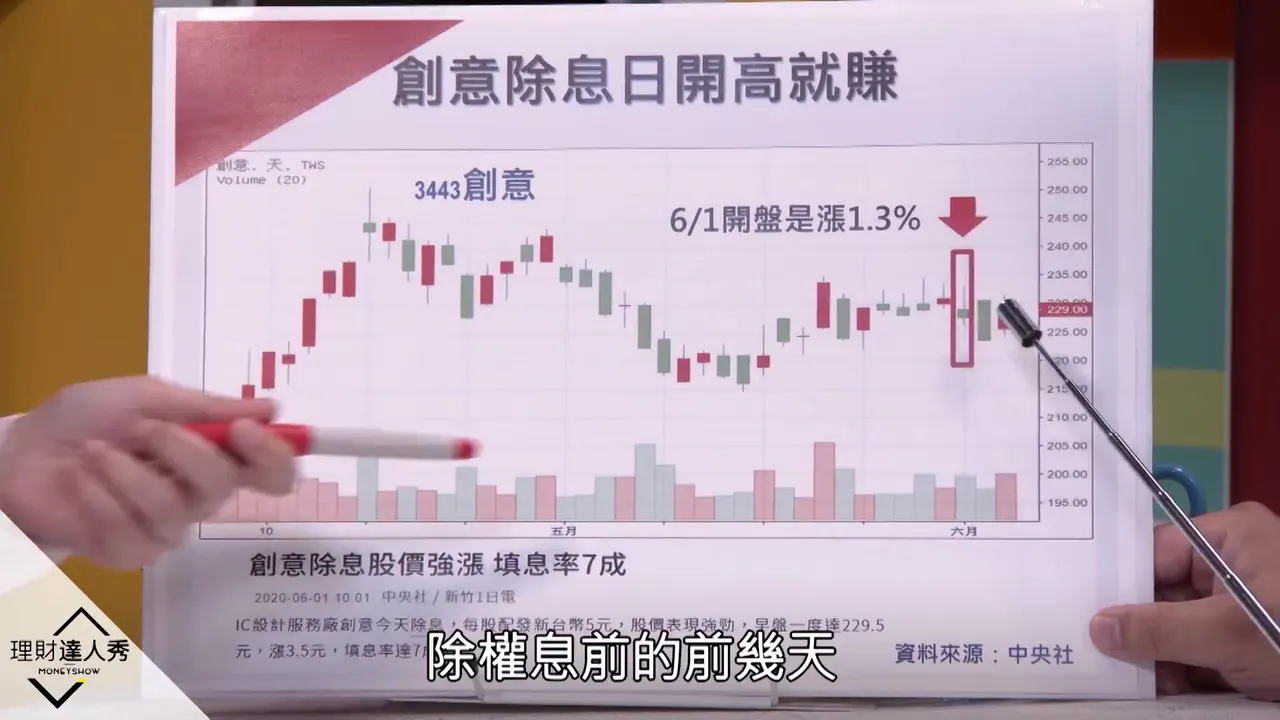
9:25Creative's Historical Ex-Dividend Day Edge
Creative pays a 5 dollar cash dividend. Over 10 years, the stock rose on the ex-dividend day 60% of the time with an average gain of 1.3%, and it almost always opened higher, opening flat only 1-2 times; 2 days before, the chance of a rise is even higher at 80%, so you can position early to earn the spread. Even with Creative's weak recent flows, ex-dividend plays still made money, matching the strategy of playing both before and after.
▶ Watch from here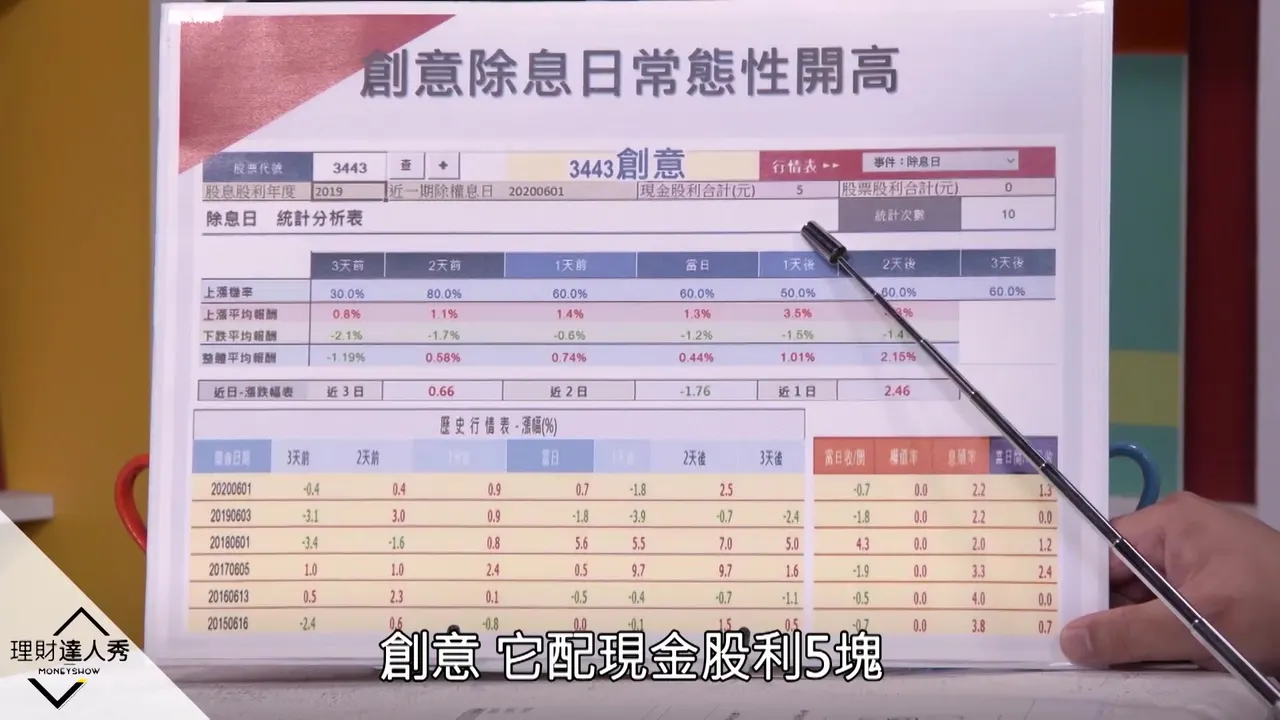
11:05Cash Shares vs. Single-Stock Futures Profit Comparison
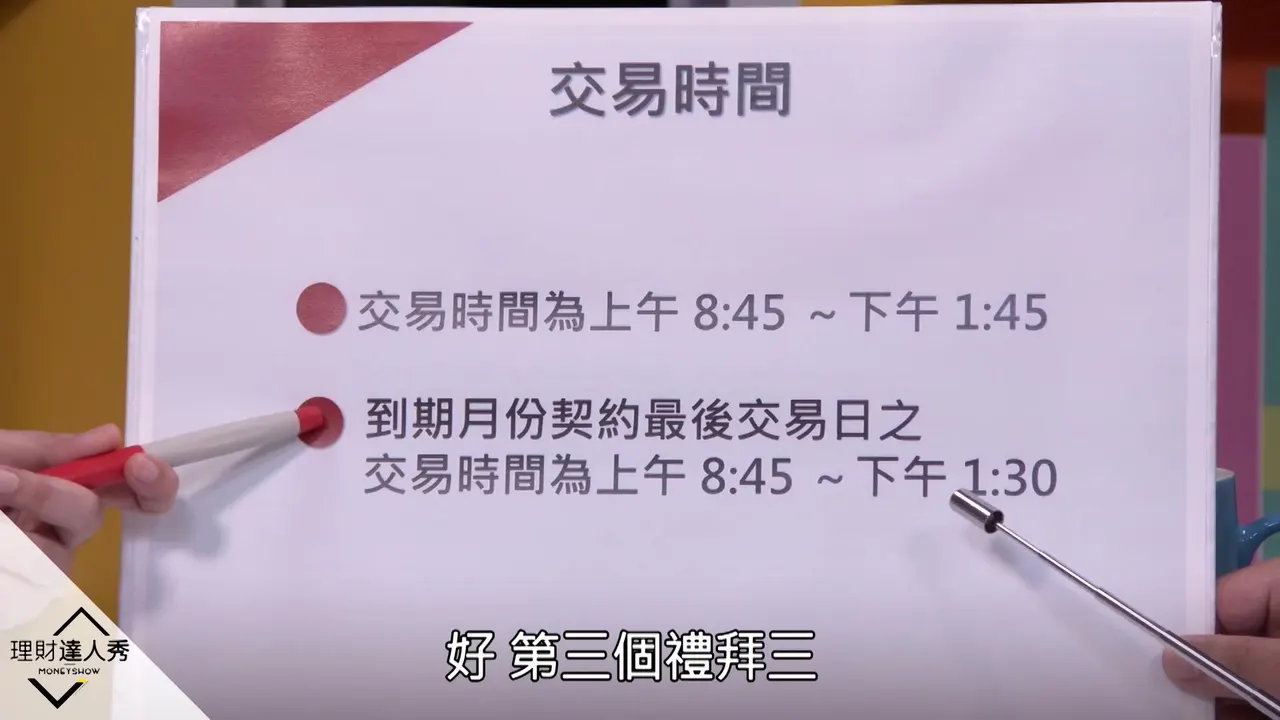
Using 177 萬 in cash shares as the control: collecting the dividend plus the spread earned about 2萬1, while single-stock futures earned about 11 萬, a difference of over 5 times. One single-stock futures contract is 2000 shares, and trading hours are half an hour longer than stocks (8:45 am to 1:45 pm). But the risk is large, you must deposit funds first thing that day, and you shouldn't put in too much capital to avoid sizing too big.
▶ Watch from here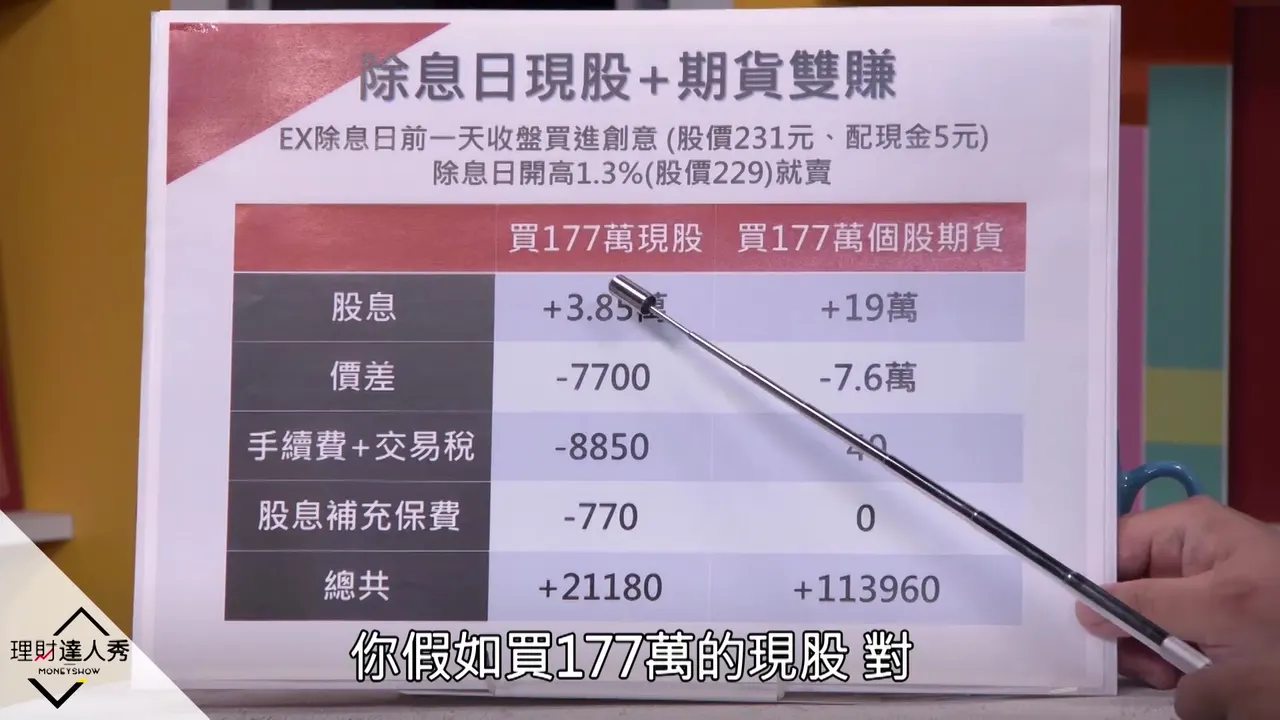
15:25Four Selection Conditions and the Concentration Formula
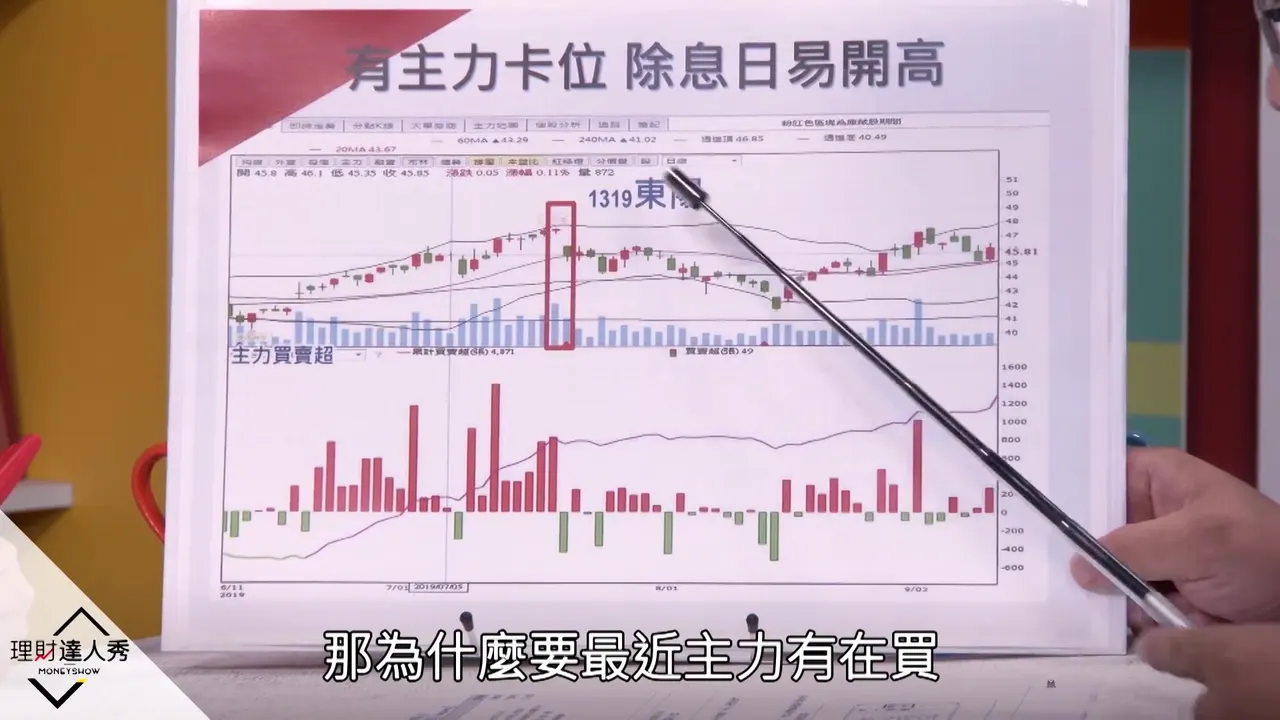
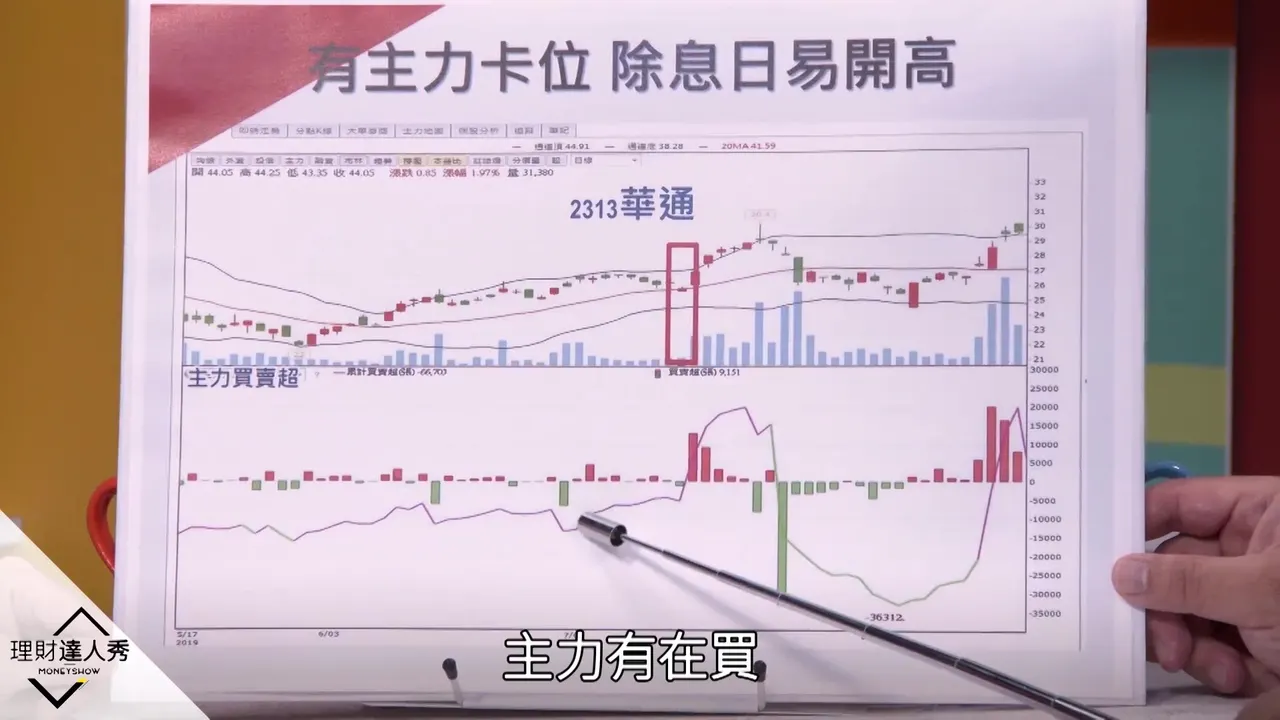
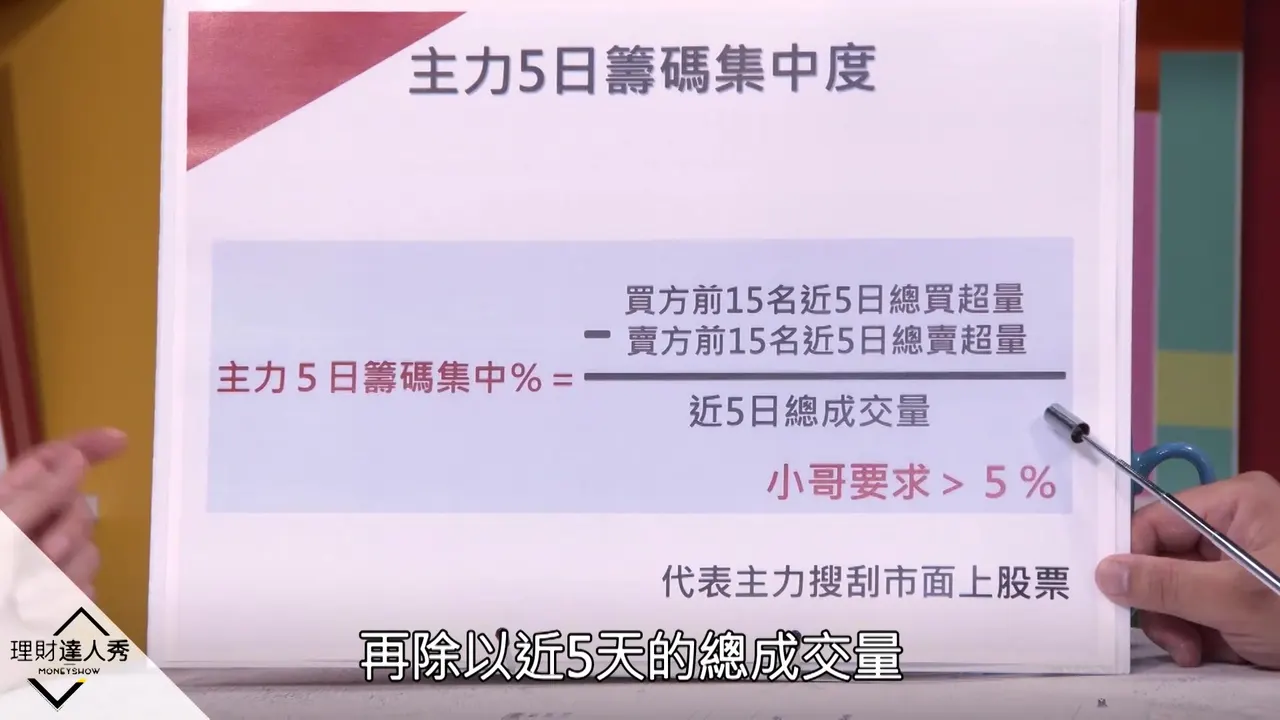
The four conditions for picking targets: 5-day major-player concentration above 5%, a high historical gap-up probability on the ex-dividend day, a stock dividend, and selling on a gap-up on the ex-dividend day. Concentration is the top 15 net-buying broker branches minus the top 15 net-selling broker branches, divided by total volume over the last 5 days; Taiwan has 900 broker branches, so when the top 15 buy heavily it is meaningful, and above 5% means major players are buying. With Tung Yang and Compeq as examples, when major players are buying the stock tends to gap up on the ex-dividend day, and at least you won't be dumped on by major players. Position 2 days ahead: if it gaps up the day before you can sell first, otherwise wait to sell on a gap-up on the ex-dividend day; if it doesn't gap up, cut the loss, or hold until the close and take a chance.
▶ Watch from here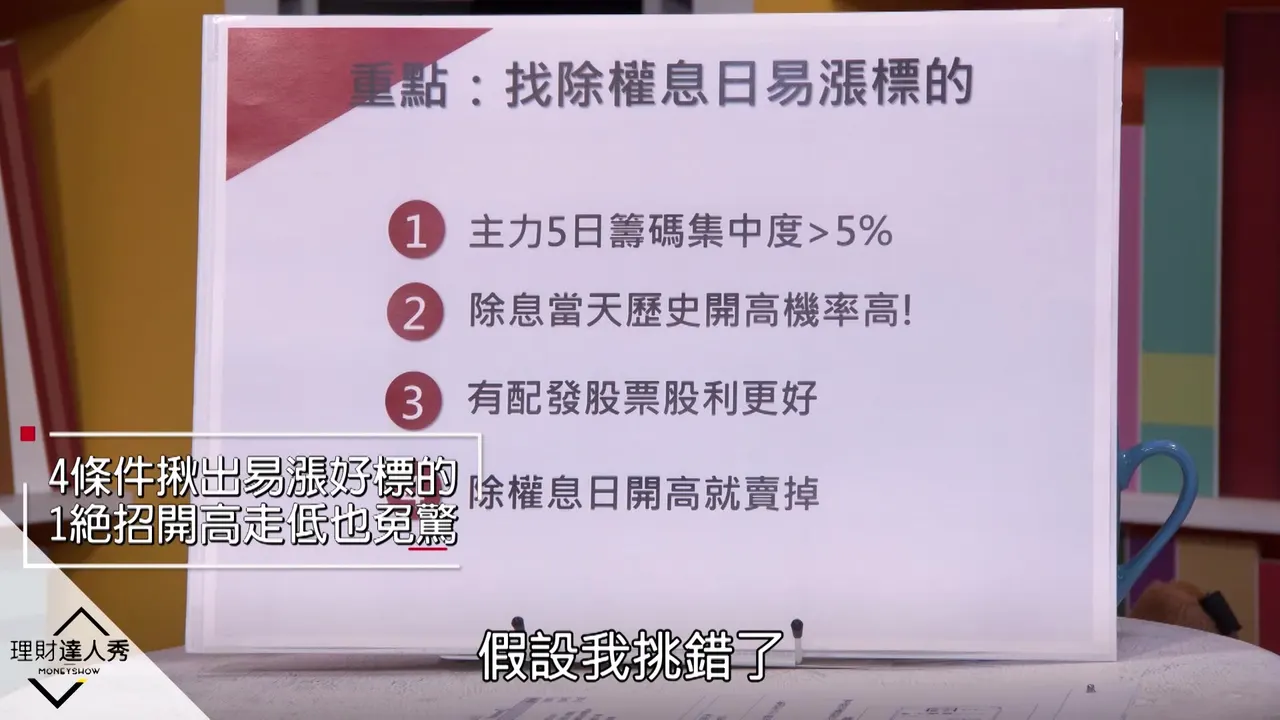
21:35Using Creative to Show Small Buying When Concentration Is Weak
Checking Creative's 5-day major-player concentration as a demonstration: the result was very poor, so only 19 contracts were bought, whereas with very good concentration it would be 100 contracts. But Creative has a high historical gap-up probability and still made money, so it was flawed yet profitable. Concentration can only be observed about 5 days before ex-dividend; for a stock going ex-dividend at the end of July, it shows only around July 20.
▶ Watch from here23:35High-Bonus-Share Themes and Gap-Up Stats
Among high-bonus-share themes, Chailease-KY pays a 4.6 dollar cash dividend and a 0.4 dollar stock dividend, and having a stock dividend is a good sign. The probability of gapping up on the ex-dividend day is as high as 87.5%; it typically barely moves 2 days before, moves the day before and on the day, and also rises the next day, and if the day disappoints you can hold to the next day. But this is historical statistics, never 100%, and this year could bring a big drop.
▶ Watch from here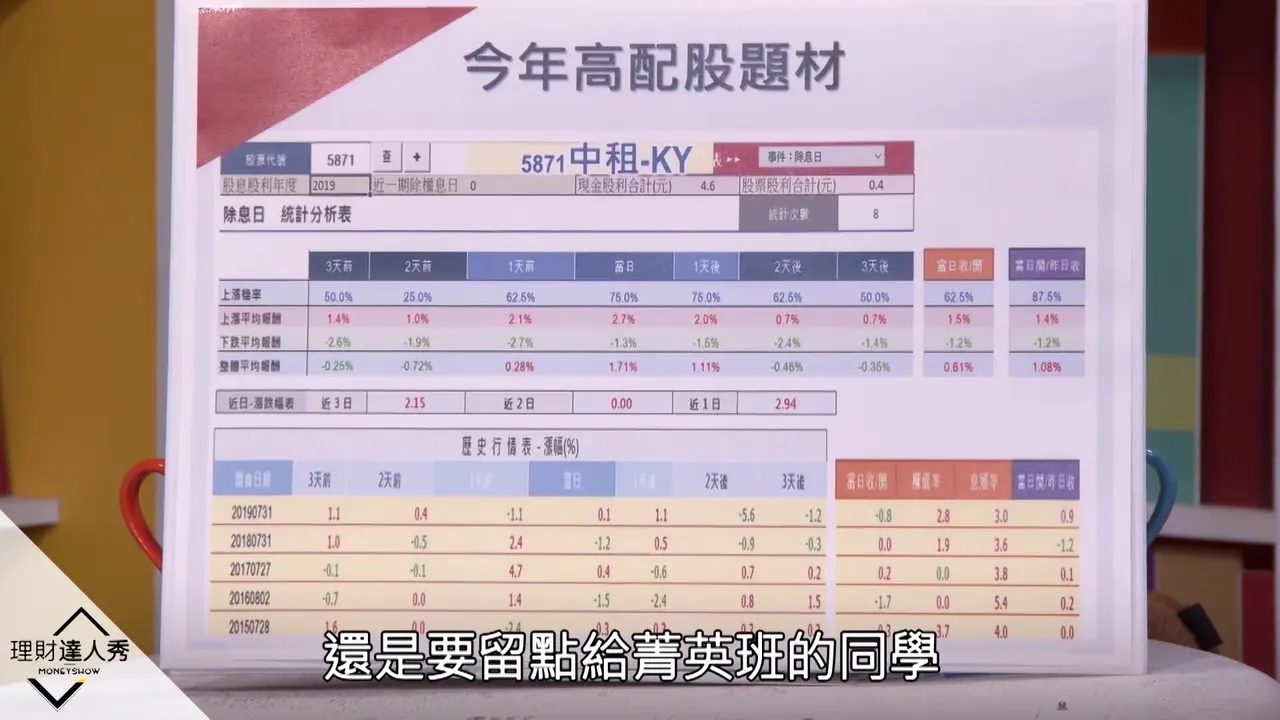
26:12Ex-Dividend Habits of China Life and E.Sun Financial
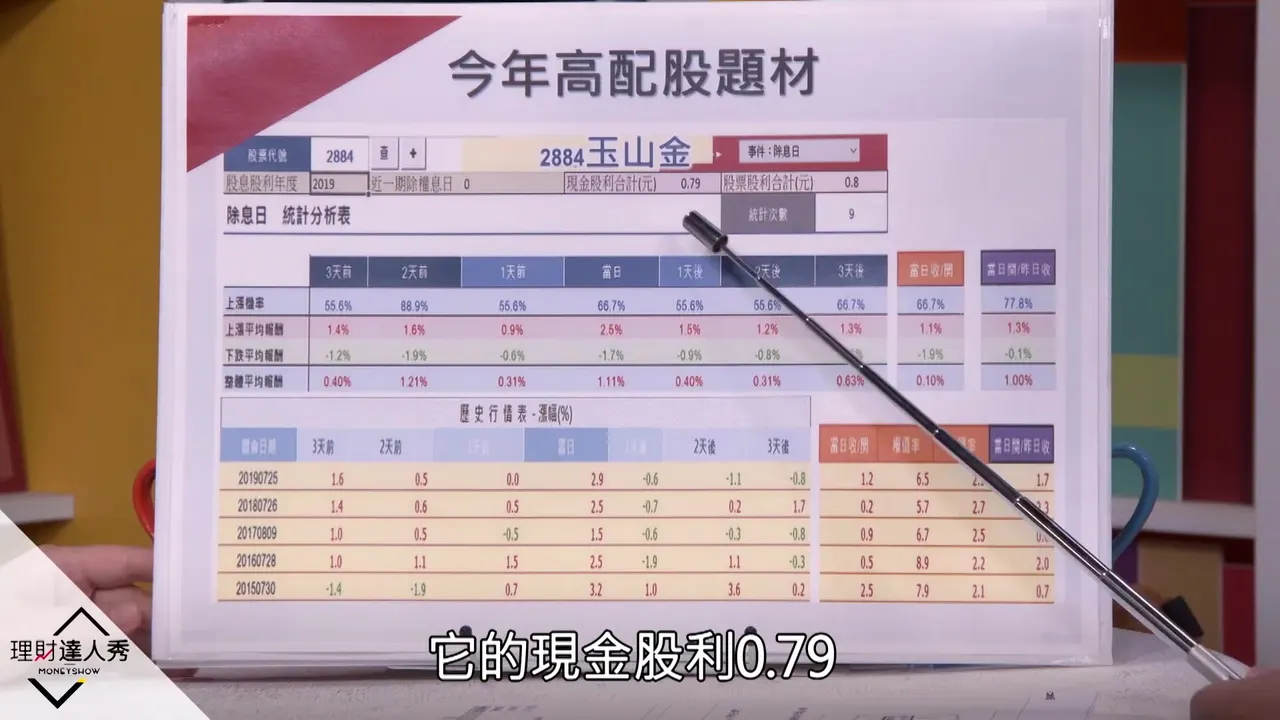
China Life pays a 0.6 dollar stock dividend, with a 71% chance of gapping up on the ex-dividend day, but only a 28% chance of rising that day, meaning it easily gaps up and fades, so you must run right at the open; such stats show that some can be held 2 days and others only 10 minutes. E.Sun Financial pays a 0.8 dollar stock dividend and a 0.79 dollar cash dividend, with a historical ex-dividend rise probability of 66.7% and an average gain of 2.5%. Ex-dividend days differ by stock, so 5-6 days before ex-dividend, check major-player concentration again.
▶ Watch from here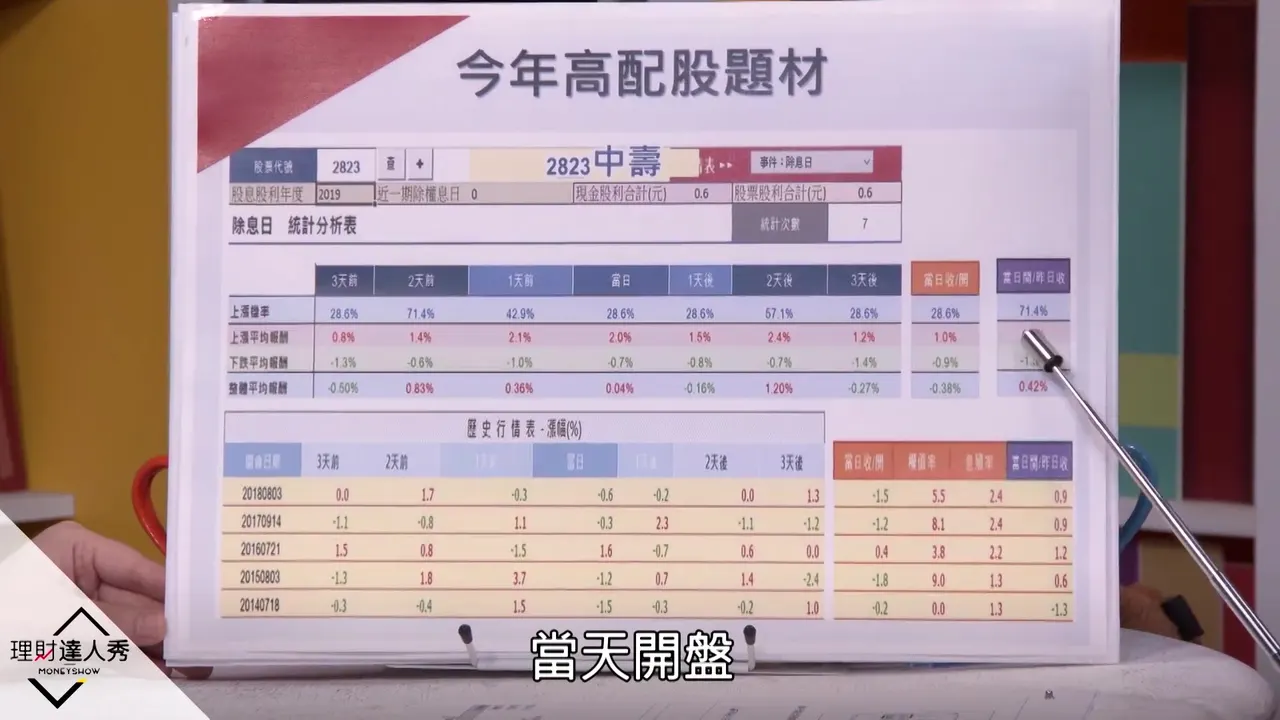
28:52Negative List and Wrap-Up of the Approach
Huahan pays a 1 dollar stock dividend, but has only a 33% chance of rising on the ex-dividend day and a 50% chance of opening higher, so it goes on the negative list, a reminder not to think a stock is good just because it pays many bonus shares. In closing: longer-term holders can wait for the dividend, while shorter-term traders can position 2 days before ex-dividend, earn the spread the day before, and earn the gap-up the day after; use single-stock futures to boost leverage, and conservative traders can use cash shares.
▶ Watch from here